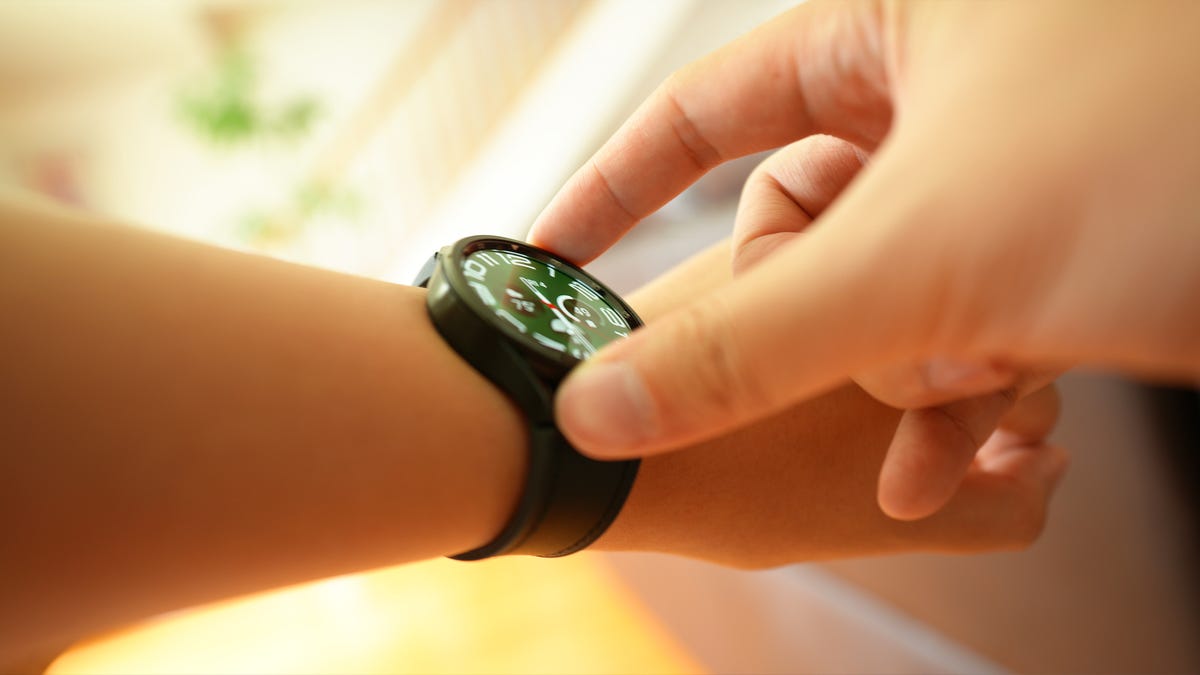
A joint clinical study with Chung‑Ang University found an AI model using Galaxy Watch 6 PPG‑derived heart rate variability could predict vasovagal syncope up to five minutes before induced fainting with 90% sensitivity, 64% specificity and 84.
Samsung and Chung‑Ang University Gwangmyeong Hospital report that an AI algorithm analyzing photoplethysmography (PPG)‑derived heart rate variability from the Galaxy Watch 6 detected impending vasovagal syncope (VVS) up to five minutes before onset during controlled head‑up tilt testing, a result published in European Heart Journal — Digital Health. Early detection could allow users to sit or lie down, hydrate, perform counterpressure maneuvers or call for help, potentially preventing fractures and concussions.
The study evaluated 132 patients with suspected VVS during induced fainting tests. Using PPG data from the Galaxy Watch 6 to extract heart rate variability signals, the watch‑based model achieved an overall accuracy of 84.6%, sensitivity of 90% and specificity of 64%. In this context, sensitivity represents the share of true fainting events the model caught and specificity indicates how often non‑events avoided false alerts.
Vasovagal syncope is common. Junhwan Cho of Chung‑Ang University noted that up to 40% of people may faint in their lifetime; episodes often follow abrupt drops in heart rate and blood pressure triggered by dehydration, prolonged standing or stress. The researchers say an early‑warning capability could reduce downstream injuries by enabling immediate corrective actions.
Experts and Samsung’s communications stress important caveats. Dr. Brett A. Sealove highlighted the 64% specificity as a major concern, warning that a device producing many false positives in uncontrolled, everyday settings could generate an "enormous volume" of unnecessary alerts. Dr. Sam Setareh emphasized that the tests were performed in a controlled tilt‑table laboratory designed to provoke symptoms, not in broad consumer environments with normal daily motion and activities.
The study authors and outside clinicians listed several real‑world confounders that can degrade PPG signal quality and algorithm performance: motion artifact, hydration status, posture changes, medications, sleep, alcohol and anxiety. Samsung and the research team describe these results as an initial validation rather than a finished consumer feature, and the published metrics illustrate a trade‑off between high sensitivity to catch events and a specificity level that could lead to false alarms at scale.
For product teams and clinicians, the practical implications are clear: further real‑world testing across diverse, ambulatory populations is required, and models must be hardened against motion and physiologic confounders before wide rollout. The study demonstrates a technically plausible path to early syncope warnings on a commercial smartwatch, but widespread adoption will depend on reducing false alerts and proving consistent performance outside laboratory tilt tests.
Sources
Replies (0)
No replies in this topic yet.
