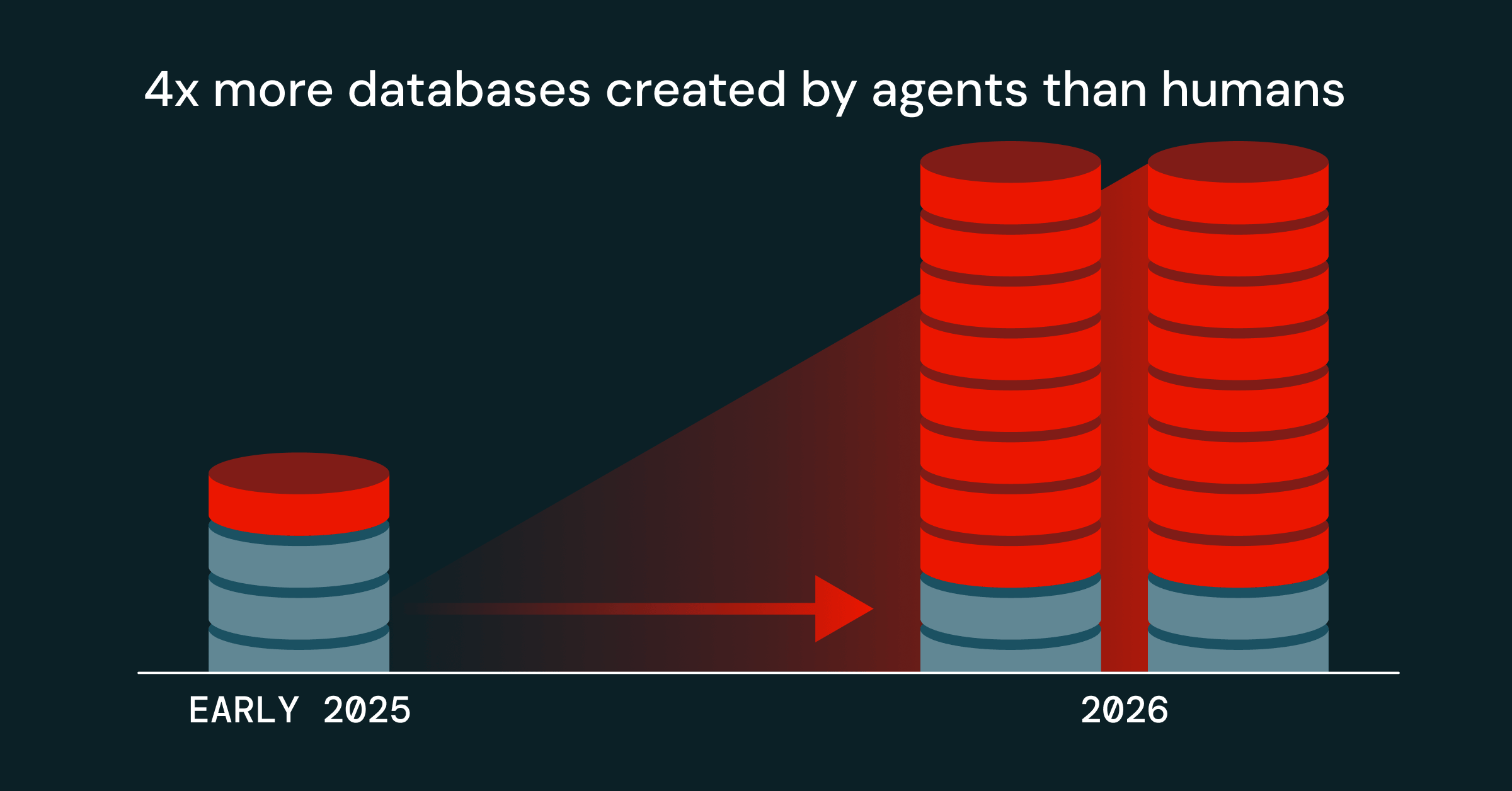
Agent programming transforms the development process, requiring new database architectures such as Lakebase to support this evolution.
The software ecosystem is undergoing significant changes due to the implementation of agent programming, which radically alters the development process. This has been made possible by modern language models (LLM) that automate processes such as requirements analysis, code writing, and testing. With the growing use of these technologies, companies are adapting their development approaches.
With the launch of the Lakebase database architecture, Databricks offers a solution that meets the new needs arising from this evolution. Lakebase separates storage and computation, allowing for the creation of temporary databases at minimal cost. This architecture facilitates rapid application creation and modification, enabling developers to actively experiment.
As the speed of development increases, agent programming changes the value of applications. Previously, individual programs were considered valuable assets due to the high costs of their creation, but now, as these costs decrease, the overall volume of software being created increases, even though the value of individual applications diminishes. This underscores the need for a robust infrastructure capable of adapting to changes.
A key aspect of the new architecture is support for open ecosystems, which becomes essential for successful operation in a competitive environment. Lakebase, with its ability to instantly create database branches, can adapt to changing market demands, accelerating the development process and reducing costs.
Sources
Replies (0)
No replies in this topic yet.
