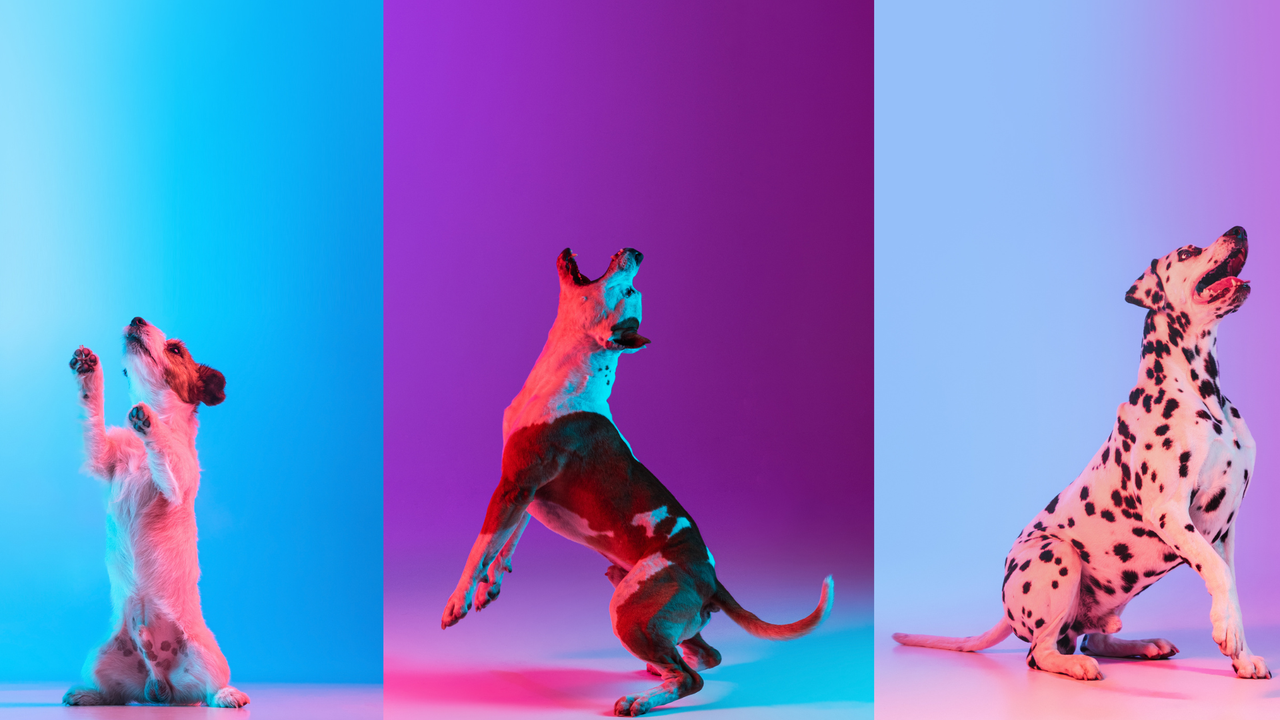
An opinion piece by Helen Andrews published May 26, 2026 uses Westminster’s 150th anniversary and moments from Crufts to argue that genuine participation beats ephemeral AI stunts. The author frames the current era of marketing as a “golden age of faking it,” where engineered activations create quick headlines but seldom produce durable value; the point matters because short — term buzz can win attention without creating the lasting stories or relationships that sustain brands.
The piece points to concrete audience figures from this year’s Westminster to demonstrate scale and persistence: roughly 600,000 people watched the show on TV, about 50,000 attended in person, and millions more joined conversations on group chats and TikTok. Those numbers, the author says, are amplified by organic social behavior — ring-side spectators texting friends about an Old English Sheepdog named Graeme, for example — illustrating how authentic moments spread through networks without paid amplification.
At Crufts, the article highlights presenter Claudia Winkleman’s unscripted adoration of a golden retriever as an example of a spontaneous clip that spread widely without engineered promotion. The author contends those clips succeed because organizers put people and animals into genuine, low‑script settings and let authentic reactions travel, rather than optimizing every frame for immediate reach. The piece cites Merriam‑Webster’s choice of “slop” as Word of 2025 to label a trend of surface — level, attention — first marketing that prizes spectacle over substance.
The argument contrasts “rented attention”—which, the article warns, depreciates when ad spend ends-with participation that compounds over time. Westminster’s institutional story underlines the point: the show traces its roots to 1877 and, according to the piece, has sustained relevance by starting with something people truly care about, giving it a stage, and avoiding over-engineering. That approach, the author writes, yields brand love that manifests in the stories people still tell years later, not merely in short — term campaign metrics.
For marketers and builders, the practical implication is clear: design products, events, or experiences that invite real roles rather than passive viewing. The article frames that strategy as an alternative to chasing ephemeral AI-driven buzz and warns that manufactured feelings can erode trust — consumers quickly lose interest when they catch brands faking authenticity. The piece closes with a related deadline: the final extended application deadline for the Brands That Matter Awards is May 29, 2026, at 11:59 p.m. PT.
Sources
Replies (0)
No replies in this topic yet.
