Apple's Mac segment significantly outperformed investor expectations in the second quarter ended March 28, posting $8.4 billion in revenue against predictions in the low $8 billion range. This notable beat, coupled with a 6% year-over-year sales increase instead of the anticipated flat growth, was largely attributed to a surprising surge in demand driven by artificial intelligence workloads. While the tech giant's total revenue reached $111.2 billion, marking a 17% increase from the same period last year, with iPhone sales and Services revenue leading the charge, the Mac's quiet overperformance stood out, surprising even Apple itself.
A portion of this growth was linked to recent product launches, including the new MacBook Neo, which saw what Apple CEO Tim Cook described as 'off the charts' demand. However, the Neo was only available for a few weeks during the quarter, with preorders commencing on March 4 and most units shipping in mid-to-late March. This limited sales window, compounded by models selling out quickly, meant some demand likely spilled over into April, constraining its full impact on the quarter's results. Despite its strong reception and contribution to a record number of customers new to the Mac platform, Apple noted that it was already 'supply constrained on the MacBook Neo,' indicating that even new releases were quickly impacted by the unexpected overall demand.
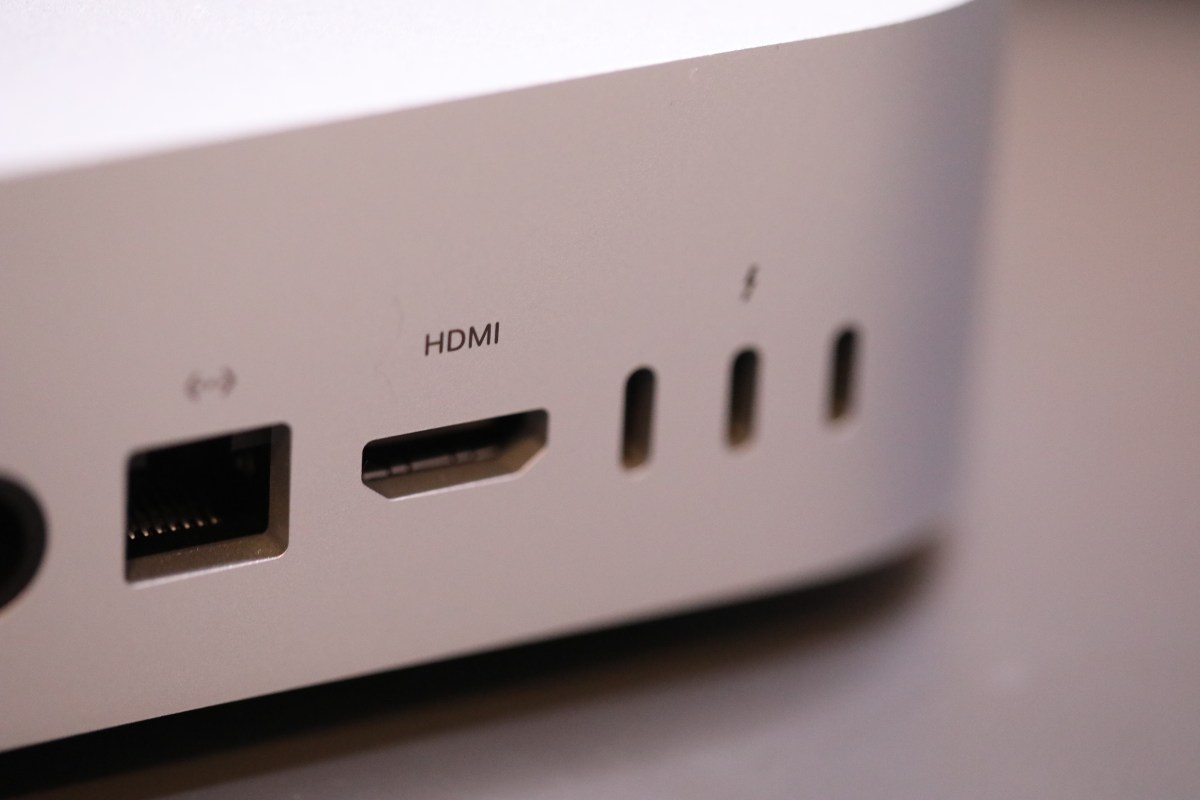
Crucially, Cook directly attributed the broader Mac sales growth to the platform's utility in running local AI models, citing OpenClaw as an example. He specifically pointed to the Mac mini and Mac Studio devices, which experienced sell-outs in recent weeks due due to this escalating demand for AI capabilities. Cook articulated that 'Both of these are amazing platforms for AI and agentic tools, and the customer recognition of that is happening faster than what we had predicted, and so we saw higher than expected demand.' This sentiment underscored the surprise within Apple regarding the rapid adoption of Macs for these advanced computational tasks.
The unexpected surge in demand has consequently led to significant supply constraints across key Mac models. Cook indicated it could take 'several months' for Apple to achieve a balance between supply and demand for the Mac mini and Mac Studio, clarifying that this wasn't due to manufacturing issues but rather an underestimation of demand. The CEO explicitly stated, 'We’re not at the point where we’re saying this [constraint] is going to end anytime soon. And it’s not because of a problem, per se, other than we just under — called the demand.
Beyond individual consumers, enterprise demand for the Mac is also escalating. Apple highlighted companies like Perplexity that have adopted Macs as their preferred platform for developing enterprise — grade AI assistants, signaling a growing preference in professional AI development circles. Furthermore, the education sector is showing a similar shift, with school systems such as Kansas City Public Schools reportedly opting to replace Chromebooks with the new MacBook Neo. This broad — based recognition of the Mac's capabilities for both general productivity and specialized AI tasks underscores a significant, and somewhat surprising, expansion of the platform's market appeal.
Sources
Replies (0)
No replies in this topic yet.
