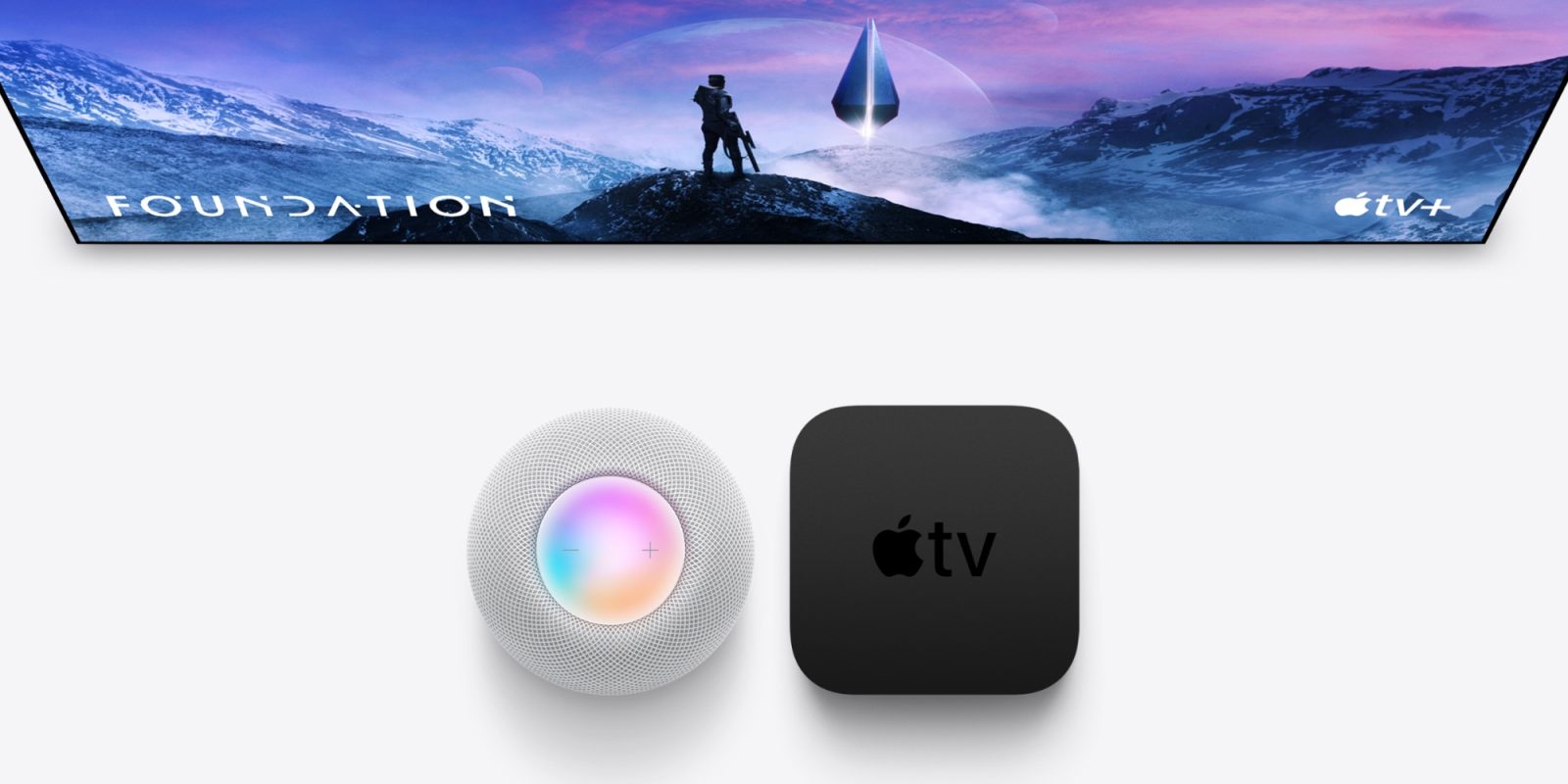
Apple is reportedly scheduling refreshed Apple TV 4K and HomePod mini shipments for this fall to coincide with next‑generation Siri and the broader Apple Intelligence features coming in iOS 27. The devices’ delay after months of development was driven, according to reporting, by Apple’s choice to release hardware and the new intelligence stack together rather than in separate waves. That alignment is intended to ensure the new features land on compatible hardware at launch.
The expected changes are primarily processor upgrades. The Apple TV 4K is widely believed to move from the A15 to the A17 Pro, while the HomePod mini is expected to upgrade from the S5 to the S9. The set‑top box is said to keep its existing industrial design, and any Siri Remote refresh may be limited to internal revisions rather than an obvious external redesign. These chip and accessory details are described as prevailing beliefs in the reporting, not final confirmations.
Apple’s software‑first rationale for the timing reflects broader shifts inside the company. The reporting links a recent licensing deal to run Google’s Gemini models on Private Cloud Compute and internal reorganization to getting the AI roadmap back on track, clearing the way for a coordinated fall launch. In short, Apple appears to be sequencing hardware deliveries to match the availability of its revamped Siri and server/cloud intelligence capabilities.
For developers, the proposed chip choices carry concrete implications. An A17 Pro in Apple TV 4K should be capable of running Apple’s models locally, enabling lower‑latency, on‑device inference for tvOS apps and services. By contrast, the S9 in the HomePod mini is described as unable to host those models locally, meaning most Apple Intelligence features on that device would likely rely on cloud streaming — with corresponding impacts on latency, feature availability, and privacy trade‑offs.
Key technical specifics remain unsettled. The report’s author did not definitively name final chip selections and framed the A17 Pro and S9 shifts as expectations rather than confirmed specs. The degree of any Siri Remote refresh is also unclear; it could be a minor internal change that leaves accessory APIs and behavior unchanged, or it could require developers to update integrations depending on what Apple announces.
Practical next steps for builders and integrators are straightforward: plan for a mixed deployment model where some intelligence runs on‑device (Apple TV) and other features fall back to cloud inference (HomePod mini), validate latency and authentication flows against Private Cloud Compute, and test fallback paths. Monitor WWDC and Apple’s developer documentation for definitive hardware specifications, Siri API changes, and any remote or input updates that will confirm how the devices will behave in production.
Sources
Replies (0)
No replies in this topic yet.
