The updated Geotechnical Register of New Zealand, combined with artificial intelligence, significantly improves the collection and analysis of data necessary for construction.
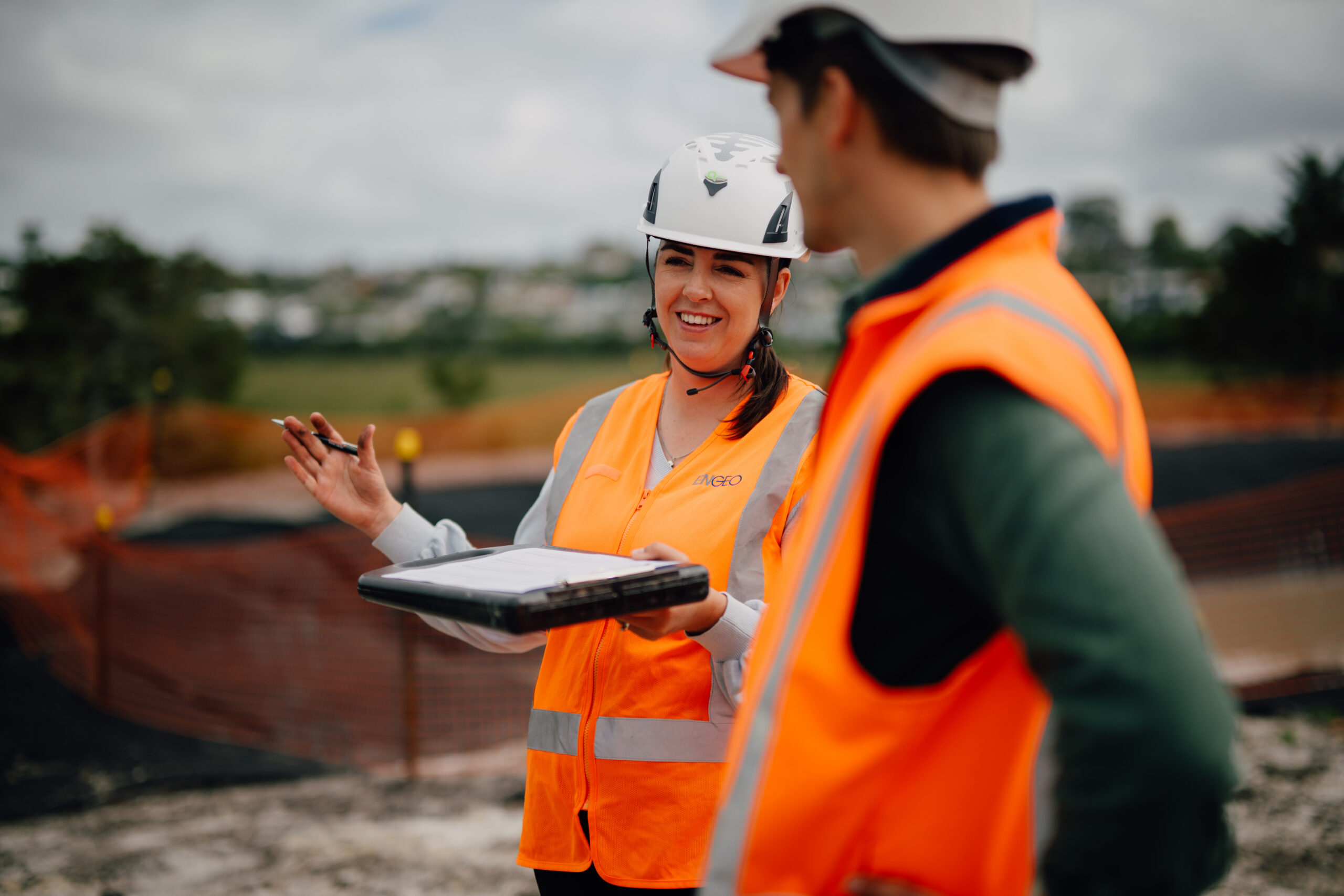
Engineer-geologist Olivia Ellis-Garland uses the updated Geotechnical Register of New Zealand (NZGD), which provides information about subsurface conditions at various sites, such as Hobsonville. The system, supported by Beca's BEYON digital twin platform, allows engineers to efficiently obtain data on soil composition, water levels, and rock layers.
The register, utilizing Microsoft Azure cloud technologies and the AI model GPT-5.1, provides access to a vast array of data. According to Ellis-Garland, this enhances responsiveness, enabling engineers to quickly obtain information for construction decision-making.
The creation of the NZGD became necessary after the devastating earthquake in Christchurch in 2011, when engineers needed data on subsurface conditions to rebuild the affected city. Since then, the register has become an indispensable tool for construction industry participants, gathering information that was previously scattered across various sources.
The updated geotechnical register, migrated to the Azure platform, has significantly improved data accessibility and security. Now engineers can be confident in the quality of information, which substantially reduces research time and saves resources on new drilling operations.
Sources
Replies (0)
No replies in this topic yet.
