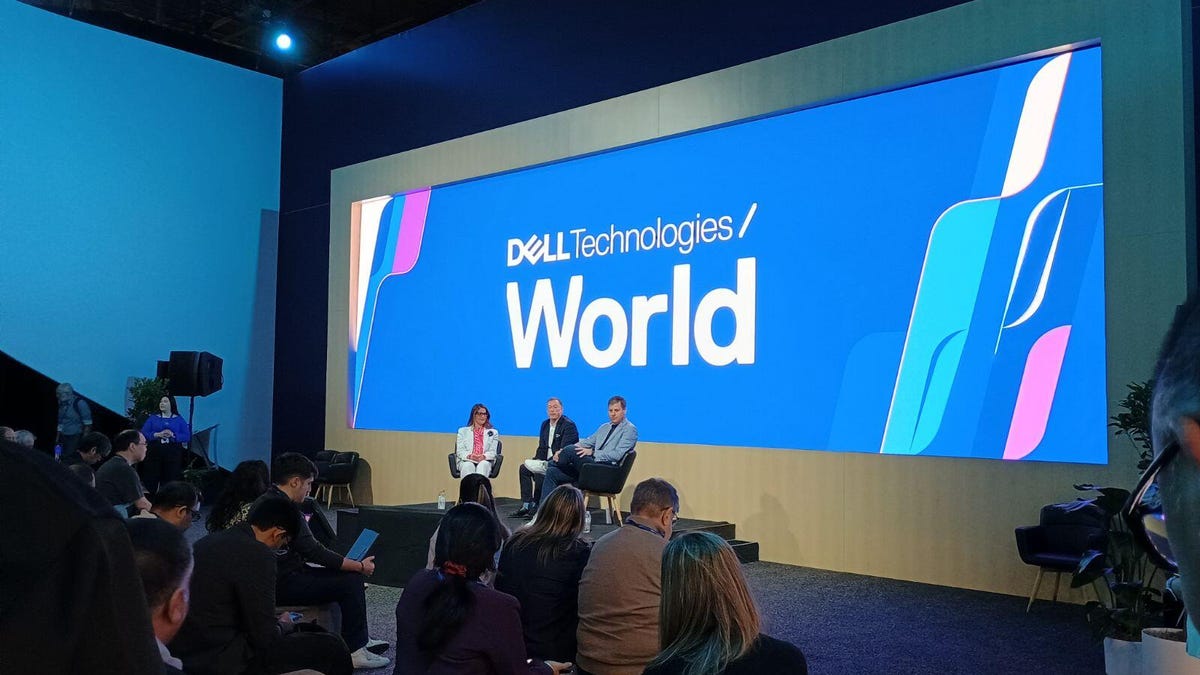
At Dell Technologies World 2026, Dell framed a clear shift: Intelligence must sit closer to customers’ data and infrastructure to rein in costs and meet regulatory demands. Chairman and CEO Michael Dell said, “Intelligence is becoming infrastructure,” and the company used the event to outline practical steps for moving AI workloads off public clouds and into on‑premises or hybrid environments.
Executives foregrounded economics. Vice Chairman and COO Jeff Clarke described dramatic growth in token consumption, saying usage has risen roughly 320‑fold and citing a prediction that global token consumption could grow 3,400% by 2030. Dell invoked the rhetoric of “tokenomics” and presented a customer case in which deploying agents caused the organization to exceed a full year’s token budget by March.
Speakers argued that cost is only one driver. While pilots based on public cloud APIs are easy to start, scaling to production exposes limits in data capacity and latency that push firms toward dedicated internal compute. Aberdeen Research data highlighted at the conference showed an increasing enterprise preference for keeping data and model training inside corporate data centers to satisfy sovereignty and other regulatory requirements.
To address those pressures, Dell introduced the Dell AI Data Platform and described how its portfolio can host AI compute across multiple surfaces — from local workstations and edge devices to large data‑center racks. Presenters positioned these deployment options as levers for reducing per‑token costs and keeping models and training datasets under organizational control rather than in third‑party clouds.
Agentic systems emerged as a distinct implementation challenge. Dell warned that agents, which act autonomously on behalf of businesses, can drive token consumption quickly and create governance risks. Jeff Clarke stressed the need for firms to log what an agent did, why it acted, and how to undo actions if necessary, making auditability and rollback capabilities central to production deployments.
The practical takeaway for builders and IT leaders was straightforward: plan hybrid architectures that move sustained, high‑volume inference and training on‑premises or to managed private clouds, and instrument governance for agent behavior. Dell positioned its hardware and software stack as a path to lower token costs, address sovereign‑AI requirements, and manage agent behavior as organizations transition from pilots to production.
Sources
Replies (0)
No replies in this topic yet.
