A how‑to published May 20, 2026 by Steph Spector argues that allowing teams to mix and match AI models inside the same automation workflow prevents vendor lock‑in and makes automations more resilient. The piece’s core claim is practical: no single model suits every task, so building an interoperability layer that lets teams swap models quickly reduces the risk that a pricing change, policy shift, or model deprecation will force costly rebuilds.
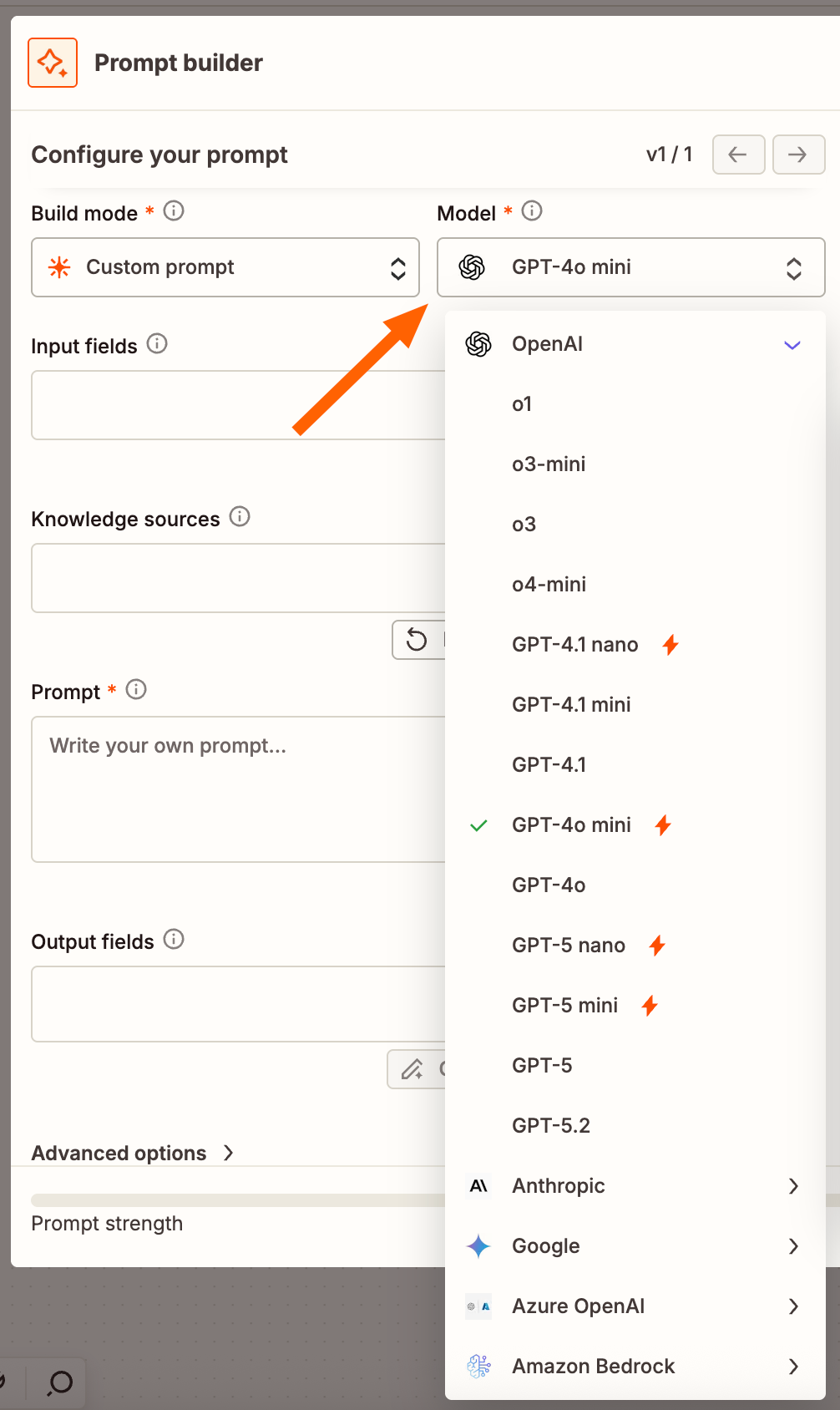
Spector lays out the mechanics: users can select different models for individual steps of an automation or for specific tool calls inside an agent, then swap those models in seconds. The platform provides a built‑in AI tool with a dropdown to attach preferred models and also supports direct provider integrations when provider‑specific actions or configurations are required, giving teams both rapid switching and deep, configurable connections.
The guidance is framed against a broader industry trend toward vendor consolidation. Some AI vendors are expanding into end‑to‑end platforms — OpenAI’s Frontier is cited as an example — and Spector warns that building directly on a single provider can increase exposure to price hikes, model deprecation, and competitive leaps in model capability that leave teams scrambling to adapt.
To make the approach concrete, Spector offers model‑role examples: a consistent writer model for repeatable copy, a high‑scale processor for large data tasks, a specialist for long‑form drafting, and a generalist for classification and routing. She names Sonnet 4.6 for consistent writing results, Gemini for high‑scale data processing, Claude for long‑form drafting, and GPT as a versatile generalist, illustrating how picking per task avoids one‑size‑fits‑all compromises across marketing, sales, and support.
Builders get practical levers to operationalize flexibility. The platform integrates with thousands of apps and partner services including Google, Salesforce, and Microsoft, and supports forms, data tables, and conditional logic to assemble secure, automated AI systems. Spector emphasizes using the interoperability layer to keep a rotating roster of models and to swap in better fits without rewriting workflow glue or losing existing integrations.
The net effect, the post argues, is lower operational risk and greater choice for engineering and automation teams: by orchestrating multiple models inside a shared automation layer, organizations can preserve existing connectors while testing or switching models for specific tasks. Spector’s how‑to aims to give teams practical steps for building resilient workflows that can evolve as model strengths and team needs change.
Sources
Replies (0)
No replies in this topic yet.
