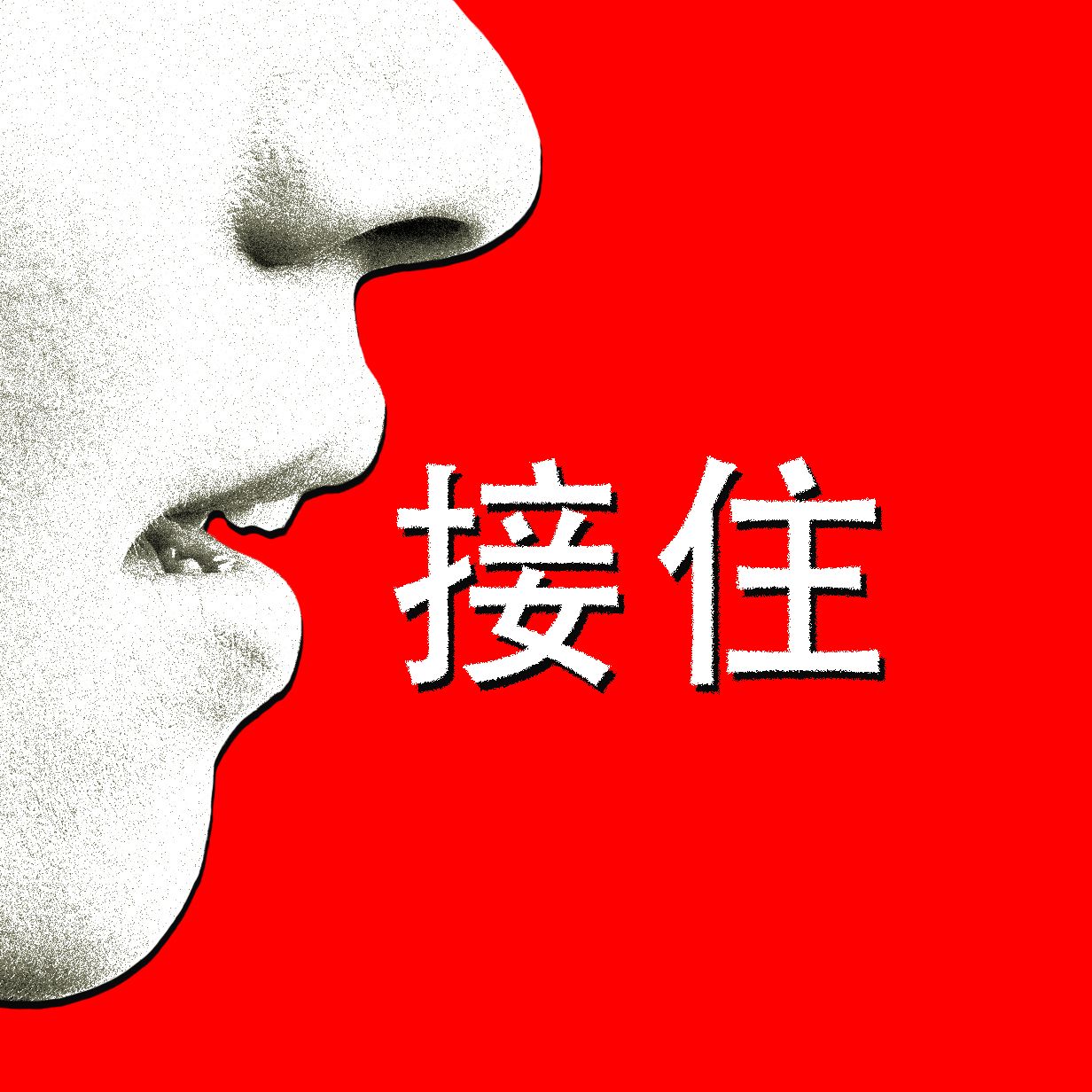
ChatGPT has repeatedly used the Chinese sentence 我会稳稳地接住你 (“I will catch you steadily”) across unrelated prompts, turning the line into a meme that many native speakers find overly affectionate and out of place.
ChatGPT has developed a persistent verbal tic in Chinese: the sentence 我会稳稳地接住你 — literally “I will catch you steadily” — keeps appearing in answers to math problems, image prompts and casual queries. The repetition matters because millions of Chinese speakers encounter the model, and the line’s unexpected warmth and frequency have undermined user trust and become a running joke across social platforms.
Native speakers report the sentence shows up in stretched, effusive variants — for example, “I’m right here: not hiding, not withdrawing, not deflecting, not running. I’ll be steady enough to catch you.” Users also note other repeated phrases, including the ecommerce slogan 砍一刀 (“Help me cut it once”), associated with PDD, the company behind Temu. The ticks surface even when the model otherwise answers Chinese queries competently, making the repetition feel stylistically out of place.
Experts attribute the behavior to training and post‑training dynamics rather than intent. Max Spero, cofounder and CEO of Pangram, describes the issue as “mode collapse” produced by feedback after initial training: models can learn that a particular phrasing is “good” and then overuse it. Spero summarizes the gap bluntly: labs "don't know how to say: 'This is good writing, but if we do this good writing thing 10 times, then it's no longer good writing. languages.
The repetition has generated both cultural and technical responses. The phrase became a visual meme-one circulating image depicts ChatGPT as an inflatable rescue airbag — and it inspired tools aimed at reducing the glitch. Twenty‑year‑old Chongqing developer Zeng Fanyu created Jiezhu, an open‑source prompt‑engineering project (the name means “catch”) intended to help chatbots infer user intent. Zeng says his April Fools' project grew out of the meme and that ChatGPT again used the word jiezhu unprompted while helping him code.
Some observers point to a translation mismatch: English equivalents like “I’ve got you” read casual and concise, while the Chinese 我会稳稳地接住你 can feel wordy and clingy; reviewers found the model sometimes uses 接住 (jiezhu, “catch”) where “understand” would be a better fit. OpenAI appears to have noticed the quirk — an April release of a new image model included a comiclike sample drawn by OpenAI researcher Boyuan Chen that poked fun at the sentence — and the company did not immediately respond to requests for comment.
Sources
Replies (0)
No replies in this topic yet.
