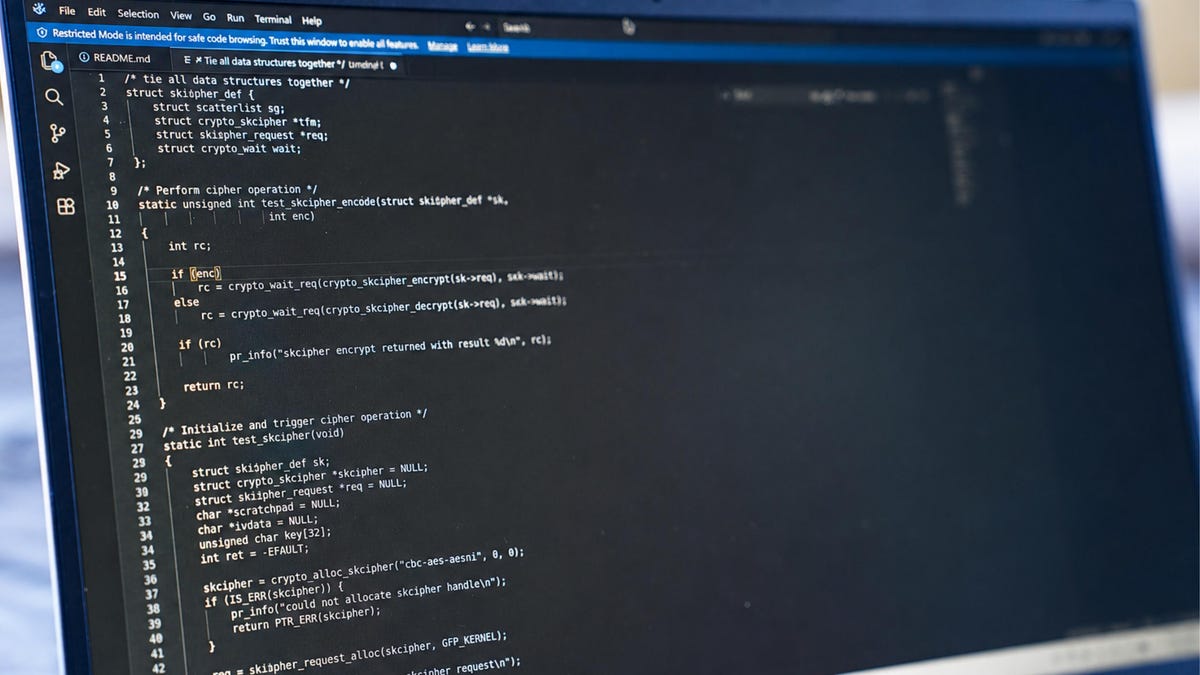
Two high‑severity Linux kernel vulnerabilities, dubbed Copy Fail and Dirty Frag, were disclosed within the same week, highlighting a recent spike in serious kernel bugs, according to a May 11, 2026 report by Jack Wallen. The report says Dirty Frag presently has no easy fix, while Copy Fail is listed among the dangerous recent disclosures; it does not provide exploit technicalities but stresses the operational impact for affected systems and administrators.
The timing matters because the Linux kernel underpins a vast and growing range of targets: enterprise servers, cloud infrastructure, AI platforms, consumer devices and an expanding gaming install base. As Linux’s footprint has widened, the report argues, any historical “protection by obscurity” has eroded, increasing the kernel’s value to both security researchers and adversaries.
A central driver of the recent uptick is the use of artificial intelligence to accelerate vulnerability discovery. Rather than prolonged manual code review, researchers and attackers can feed code snippets into AI tools to locate longstanding weaknesses in seconds or minutes. The report adds a cautionary note about hypothetical future amplifications of this capability if combined with emerging technologies such as quantum computing.
There are concrete signs of active defensive work inside the kernel community. The report notes a track record of rapid mitigation — past fixes have sometimes been released the following day-and says the kernel project’s patching cadence has not slowed despite rising bug complexity. One proposed defensive idea mentioned is a kernel “kill switch” that would allow administrators to quickly disable specific functions until formal patches are available.
For builders and administrators, the practical takeaways are immediate and operational: monitor kernel advisories closely, prioritize testing and timely application of patches, and prepare short‑term mitigations such as disabling vulnerable kernel features where feasible. The report frames these steps as necessary to reduce exposure while maintainers produce permanent fixes. The overall assessment in the report is that Linux remains a robust and actively maintained platform, but its security can no longer be assumed in the face of faster discovery techniques. End users, system administrators and organizations that depend on Linux infrastructure are urged to treat recent disclosures as a reminder to tighten monitoring and incident response practices.
Sources
Replies (0)
No replies in this topic yet.
