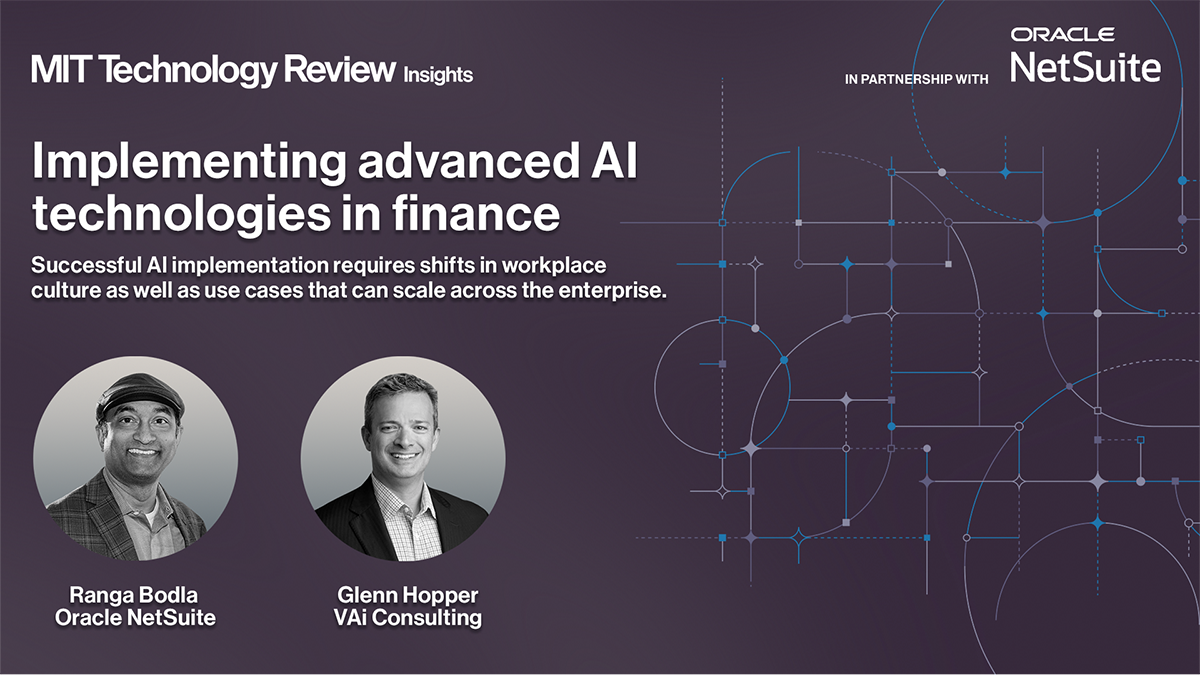
AI is spreading bottom — up inside finance: Employees embed generative and analytical tools into daily workflows while executives scramble to define governance, oversight, and strategy before compliance gaps widen.
Finance teams are adopting AI across core workflows from the bottom up, forcing leaders to scramble to retrofit governance, strategy, and controls, says Ranga Bodla of Oracle NetSuite. That mismatch matters because finance is one of the most tightly regulated enterprise functions, and its grassroots AI use can create compliance blind spots if oversight lags. The shift has already moved beyond pilots into routine tasks, accelerating pressure on executives to close governance gaps before informal workarounds proliferate.
AI is appearing in targeted finance activities now: variance commentary, fraud detection, contract review, and drafting close narratives are cited as early hotspots. Builders are delivering embedded systems and seamless integrations so practitioners can work with models inside familiar tools. Teams are also using protocols such as model context protocol (MCP) to carry model state and context across services, which helps preserve continuity as models feed into multi‑step processes and downstream systems.
That bottom‑up diffusion is reshaping vendor competition and procurement priorities. Platforms that offer interoperable APIs, persistent context windows, and out‑of‑the‑box integration hooks are gaining traction because they reduce friction for end users and speed adoption. Executives face a tradeoff: capture productivity gains now by enabling access, or delay deployments until governance is fully specified and risk that employees will build shadow workflows to bypass restrictions.
People — not only data or models — are emerging as the central constraint. Glenn Hopper of VAi Consulting calls talent the “root cause” problem: finance domain expertise and AI fluency are often misaligned, leaving organizations short on staff who can pair technical capability with accounting judgment. At the same time, concerns about data security and model opacity persist. Bodla stresses auditability is critical; without traceable outputs, versioning, and controls, organizations expose themselves to compliance gaps and unmonitored use outside formal oversight.
For builders, the near roadmap is practical and concrete: prepare for multi‑step AI agents, invest in context management, and design robust integration APIs and provenance tooling. Expanding context windows and interoperable systems will enable more persistent, agentic capabilities, so teams should prioritize model monitoring, versioning, and UX that embeds AI to augment judgment rather than replace it. Over time, routine reconciliation and other repetitive tasks can become automated, freeing finance professionals to focus on forward‑looking decisions. The original piece accompanied a webcast produced in partnership with Oracle NetSuite and notes the reporting was created by a custom Insights production team rather than the outlet’s newsroom.
Sources
Replies (0)
No replies in this topic yet.
