A May 6, 2026 roundup by Harry Guinness evaluates multiple AI chatbots and names five alternatives to ChatGPT, emphasizing tools that excel at integrations, web search, document handling and workflow automation.
On May 6, 2026 Harry Guinness published a testing — based roundup that identifies five practical alternatives to ChatGPT and explains why they matter: these apps prioritize integrations, web search, document handling and automation in ways ChatGPT may not. That focus matters for teams and builders who need assistants that fit existing workflows rather than only offering general — purpose conversational ability.
Guinness’s top five picks are Claude (positioned for professional use), Google Gemini (noted for deep Google ecosystem integrations), Microsoft Copilot (for organizations embedded in Microsoft tools), Zapier (targeted at automation and connecting bots to apps) and Perplexity (focused on web search). The piece also highlights Zapier MCP as a specific route to link conversational AI into automated workflows and app connectors. According to the roundup, the leading alternatives share several technical strengths: the ability to search the web, handle documents and images, and apply reasoning models to harder problems. When those features are present, developers and product teams can build assistants that go beyond single — turn chat to support multimodal inputs and retrieval — augmented tasks.
Guinness describes a hands‑on evaluation process: human reviewers spent dozens of hours researching and testing each app as intended, following set criteria, and the selections were not influenced by paid placement. To qualify, a chatbot needed to demonstrate a specific advantage over ChatGPT, be straightforward to sign up for and use, and operate reliably without frequent downtime or errors.
The roundup places these findings in a competitive context: ChatGPT remains the dominant general — purpose chatbot, but many contenders have converged on similar baseline features. For an alternative to make sense in practice, it must offer a clear advantage — for example, superior integrations, better search results, stronger document or image handling, or more capable automation hooks — rather than merely mirroring ChatGPT’s general capabilities.

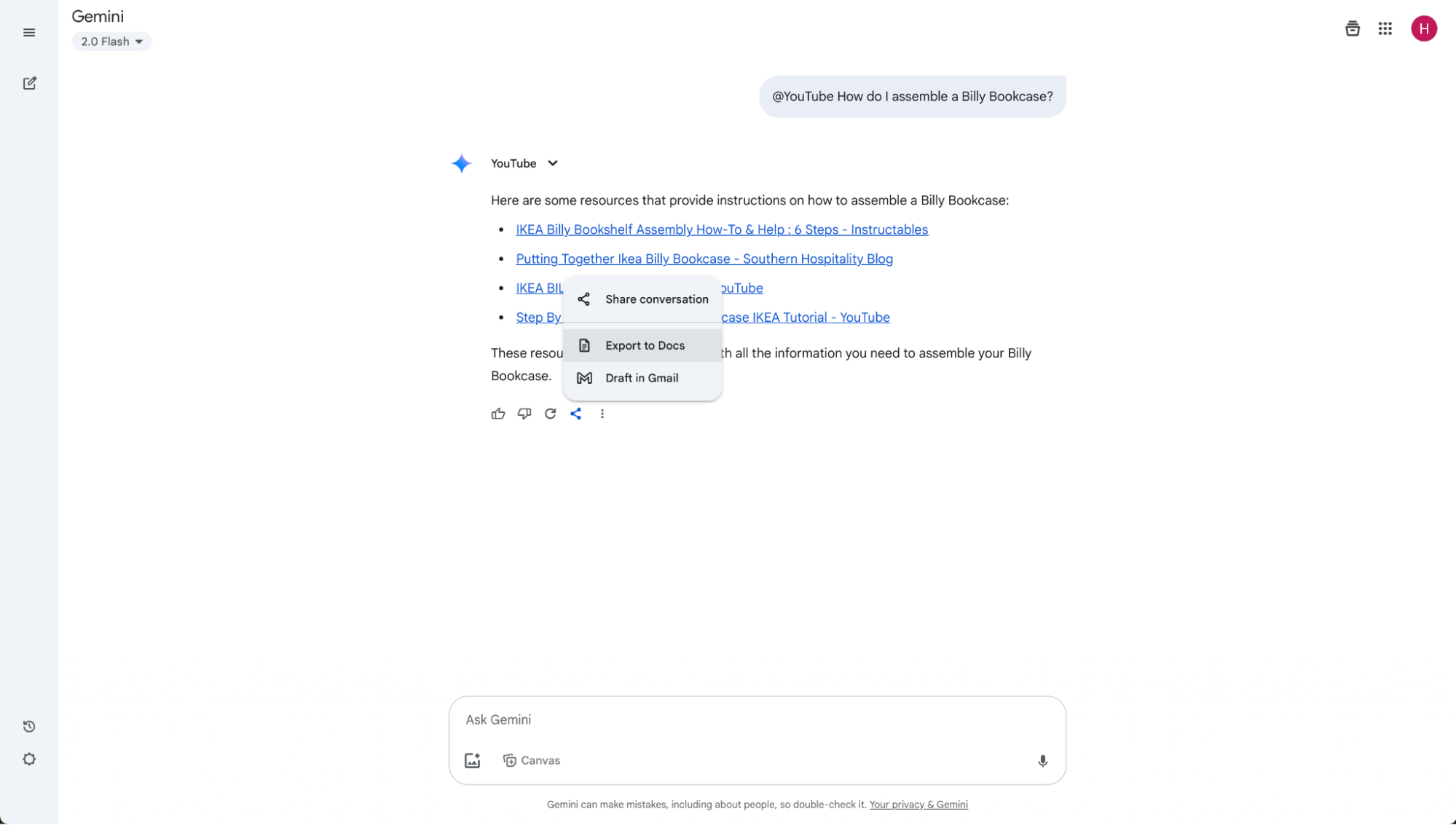
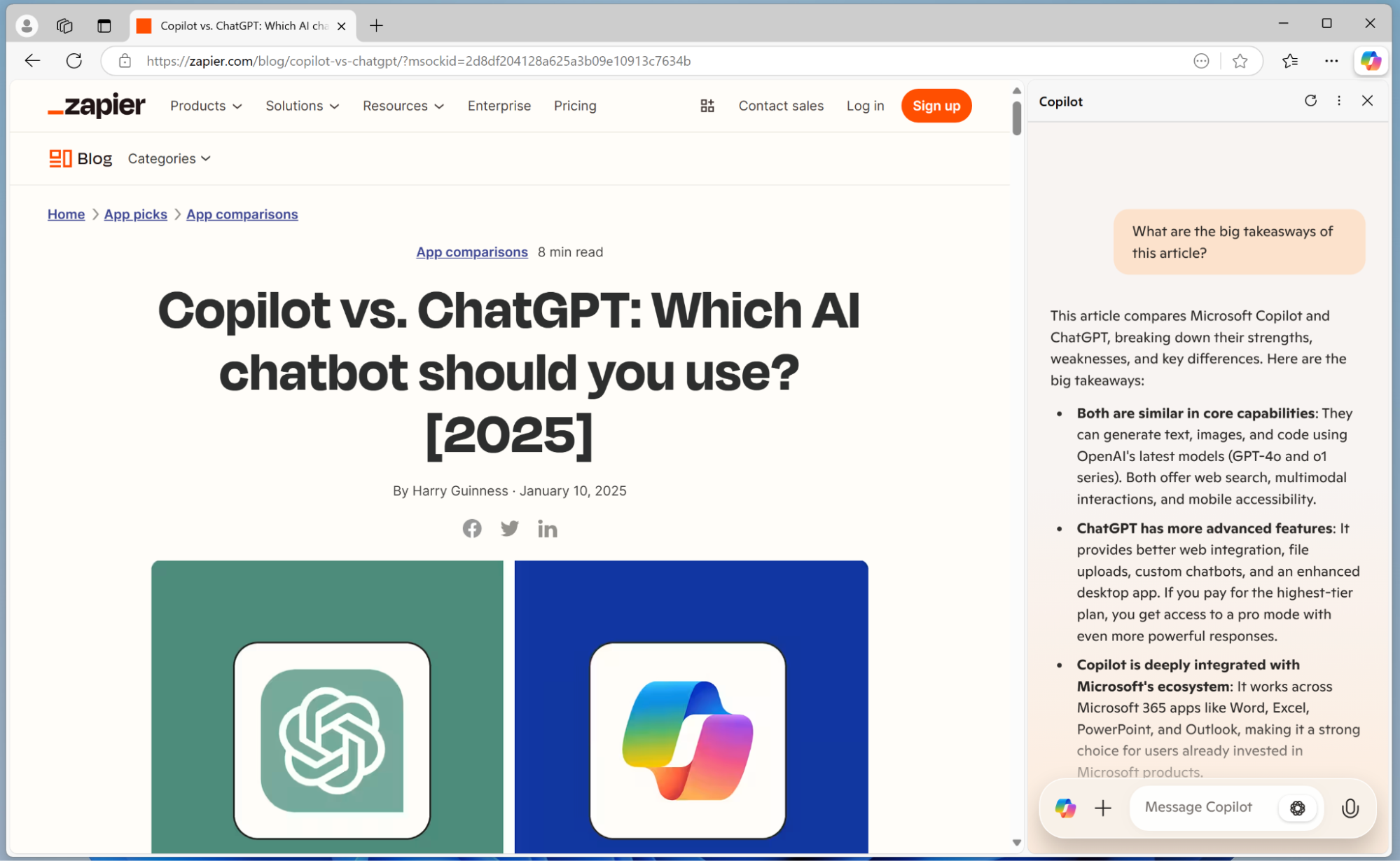
For teams choosing what to adopt, the practical takeaway is concrete: match the chatbot to your integration needs (for example, Google services or Microsoft 365), your automation requirements (Zapier — style connectors and MCP functionality), and the modalities you rely on (documents, images, web retrieval). The roundup emphasizes ease of use-none of the featured apps require deep technical expertise to get started — and stresses reliability and workflow fit as priorities for rollout.
Sources
Replies (0)
No replies in this topic yet.
