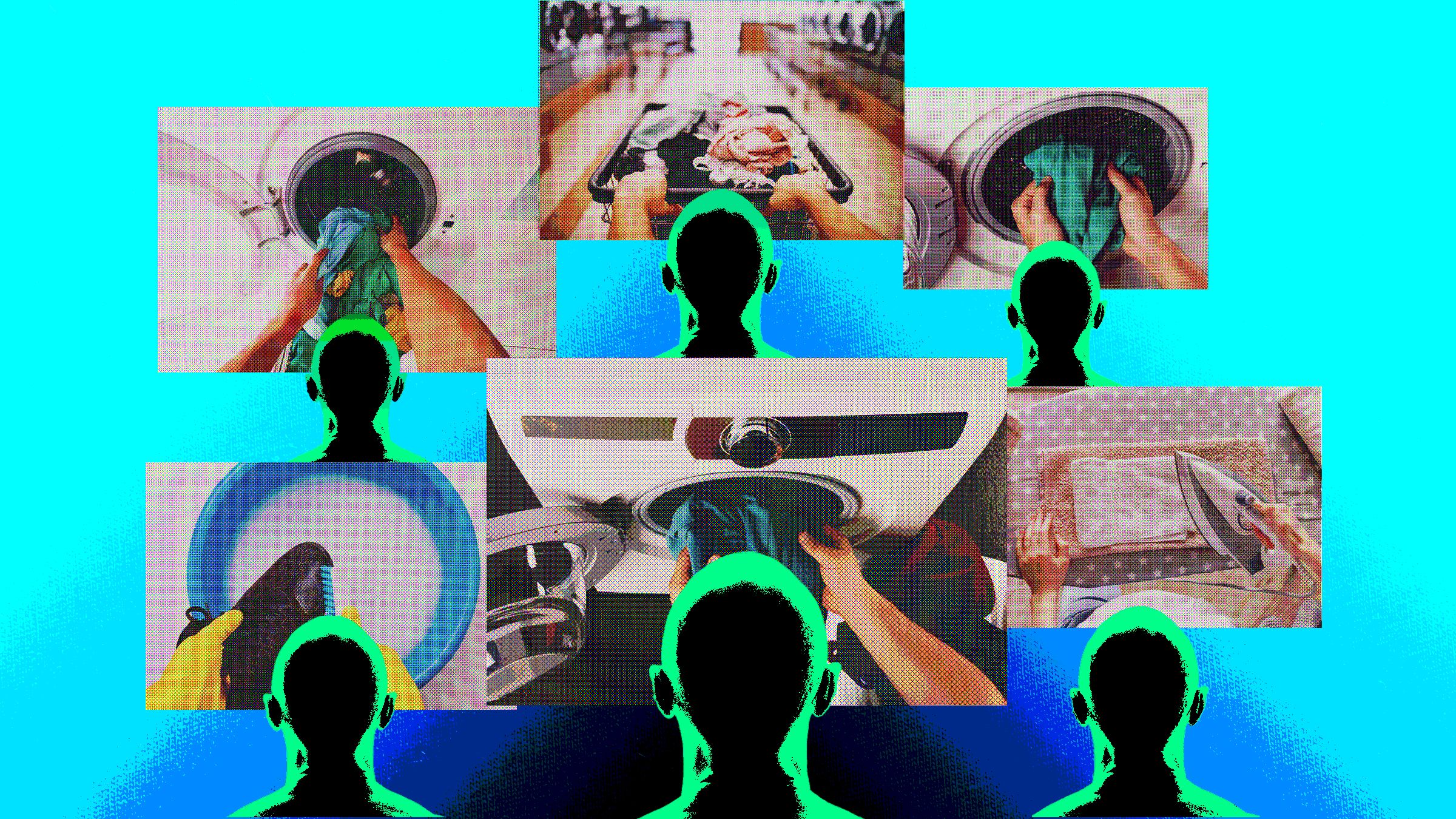
Gig apps such as Kled, Luel and Waffle Video are hiring workers to record head‑mounted, first‑person videos of household chores — a growing source of “egocentric” footage used to train humanoid robots for fine manipulation.
Gig platforms including Kled, Luel and Waffle Video are paying people to shoot close‑up, first‑person videos of everyday household tasks to supply training data for humanoid robots. A reporter who signed up for those services after DoorDash’s Tasks app wasn’t available in their state spent a week wearing a head‑mounted smartphone and recording chores such as washing dishes, folding laundry, pouring drinks and taking out the trash. The work matters because robots learning to handle real objects need detailed, hands‑on footage that typical online videos rarely provide.
The assignments are sold as microgigs: contributors pick chores from in‑app lists, follow task descriptions and use built‑in capture tools that enforce continuous recording so clips meet dataset requirements. Platforms categorize tasks by pay level — low, medium or high-and some require specific camera angles, hand motions or object interactions to capture the nuanced manipulation data modelers want.
Kled says it has a pool of more than 300,000 content contributors and also pays users to upload entire camera rolls for model training. Founder Avi Patel, 22, posted a short clip on X that surpassed 4 million views and generated inbound interest from multiple model labs and data purchasers, according to the reporting. Kled also plans to publish explicit rates for many tasks in about a month, signaling a move toward clearer pricing across these reality‑capture marketplaces.
The videos collected are described as egocentric data-footage framing hands and objects from a first‑person perspective to reveal fine manipulation details that standard online recordings miss. For builders of household robots, this kind of close‑range coverage is crucial for teaching dexterous actions such as grasping, pouring and folding. Platforms provide task‑level guidance and labeling workflows so the resulting clips can be more reliably integrated into training datasets.
Industry and investor estimates cited in the piece suggest top companies could purchase hundreds of millions of hours of third‑party egocentric footage over the next few years, creating sustained demand for bespoke clips showing nuanced manipulation. The market for these gigs is already growing in countries such as India and Malaysia, where first‑person video tasks can yield income comparable to local averages. At the same time, mainstream gig firms moving into reality capture — exemplified by DoorDash’s standalone Tasks rollout earlier this year-may broaden the channels through which such work is offered.
Despite high demand, pay can be low for U.S. contributors: the reporter described earnings as meager and insufficient to meaningfully offset a $2,500 monthly San Francisco rent, though one practical side effect was a noticeably cleaner apartment. The trend highlights practical considerations for teams buying or building datasets: coverage across varied household scenarios, consistency of task‑level labels, contributor economics and how model developers prioritize purchasing high‑volume, fine‑grained manipulation footage from gig markets.
Sources
Replies (0)
No replies in this topic yet.
