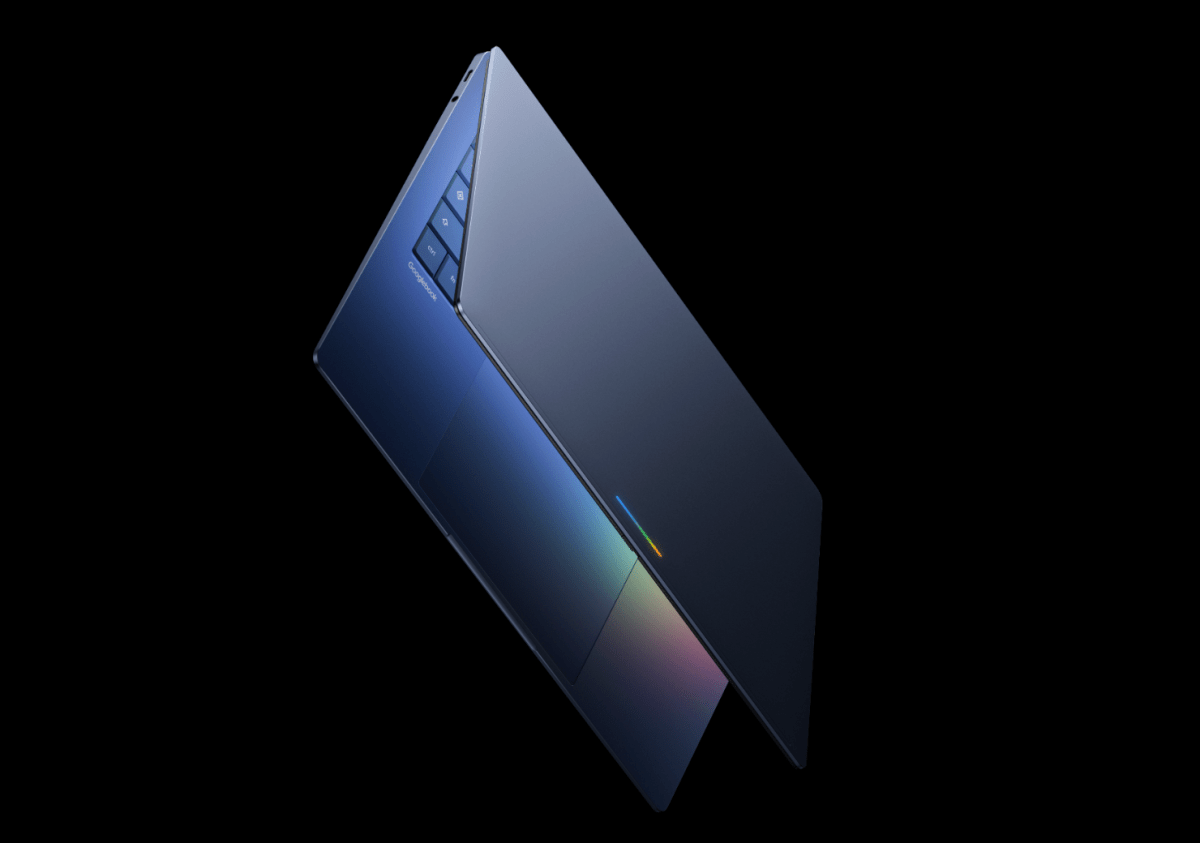
Google used its virtual “Android Show: I/O Edition” to roll out a broad set of AI and Android updates built around its Gemini model, announcing a new hardware line and deeper cross‑device integrations. The headline is Googlebooks, a family of Gemini‑first laptops, but the company also showed upgrades to widgets, Chrome, Android Auto, media apps and creator features that aim to bake Gemini into everyday workflows. These changes matter because they push the assistant from isolated features into multistep, cross‑app tasks across phones, cars, browsers and laptops.
Googlebooks will be marketed as laptops “built with Gemini at their core” and are due this fall. They are being produced in partnership with Acer, Asus, Dell, HP and Lenovo and will include features designed around Gemini intelligence, such as Magic Pointer — a cursor with Gemini built in. Googlebook hardware will also support running Android phone apps and offer native support for custom widgets, positioning the devices as tightly integrated companions to users’ phones and cloud services.
On phones, Google introduced Create My Widget, a natural‑language tool that generates custom, vibe‑coded widgets from simple prompts. For example, asking for weekly high‑protein meal prep recipes can produce a resizable home‑screen dashboard tailored to that request. Create My Widget is slated to arrive this summer on the latest Samsung Galaxy and Google Pixel phones, enabling quicker, conversational widget creation without manual configuration.
Android Auto receives a visible interface refresh with expanded personalization, edge‑to‑edge layouts and widget support that adapts to varied dash shapes. Media apps including YouTube Music and Spotify will get redesigned car interfaces, and Android Auto will for the first time stream video at 60fps full HD in supported vehicles later this year. Initial automaker partners listed for the higher‑frame‑rate rollout include BMW, Ford, Genesis, Hyundai, Kia, Mahindra, Mercedes‑Benz, Renault, Škoda, Tata and Volvo.
Google is also rolling Gemini broadly onto Android Auto, enabling hands‑free questions and brainstorming and, in selected markets, the ability to order food from the car starting with DoorDash. Beyond the car, Google demonstrated more agentic Gemini capabilities that extract information from one app and execute multistep tasks in another: for instance, photographing an event flyer and asking Gemini to find that event on travel or ticketing sites like Expedia, or showing a grocery list and asking the assistant to assemble a shopping cart.
Google confirmed that Gemini features will also appear in Chrome, extending in‑browser assistance for similar cross‑application workflows.
Sources
Replies (0)
No replies in this topic yet.
