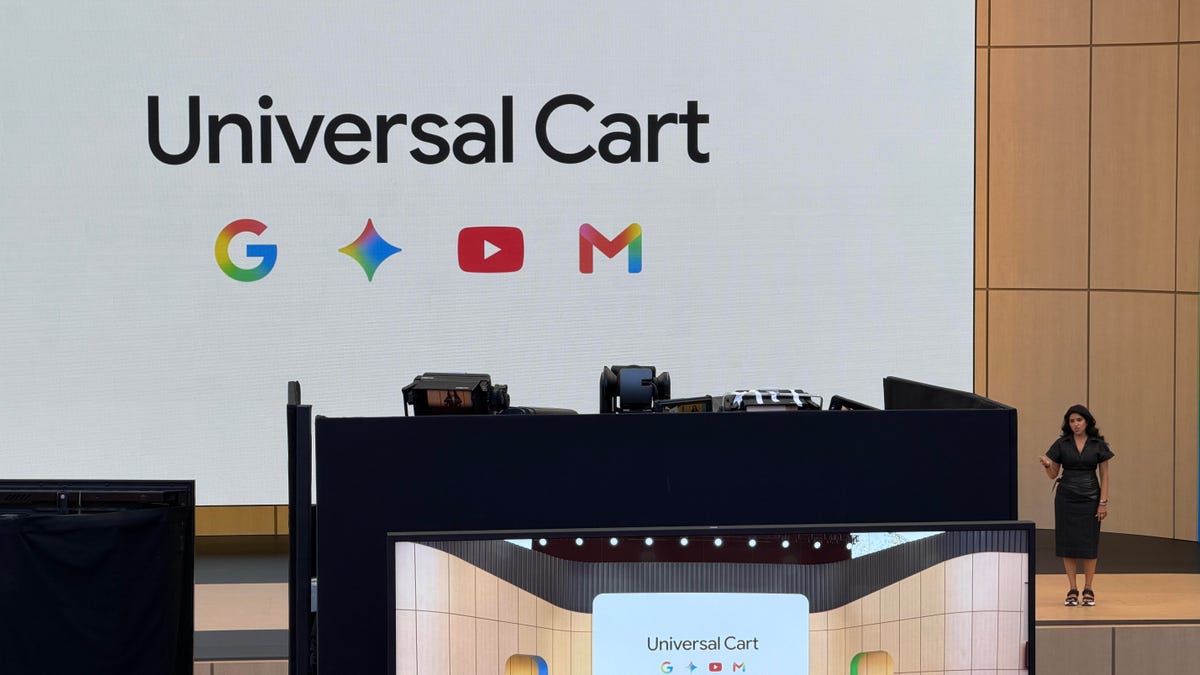
At its May 20, 2026 I/O keynote, Google unveiled Universal Cart, built on a new Universal Commerce Protocol (UCP), and tighter integration with Gemini’s agentic AI to combine products from multiple retailers into a single checkout on Google Pay.
At its May 20, 2026 I/O developer keynote, Google introduced Universal Cart, a shopping feature that aggregates products from multiple retailers into a single checkout and pairs that cart with Gemini’s agentic AI. The company presented the combination as a way to remove friction between discovery and purchase across Google services, enabling faster checkouts and automated buying when consumers permit it.
Universal Cart is built on the Universal Commerce Protocol (UCP), an open standard Google developed with partners including Target, Shopify, Wayfair and Etsy. UCP is designed to operate on Google Pay while preserving retailer‑specific data such as loyalty program details and stored payment methods, allowing merchants to retain key customer information even as items flow into a consolidated cart.
Google said the cart can pull product selections from YouTube, Gmail, Gemini and Search so Gemini can offer shopping suggestions and alerts. In demonstration footage at I/O, Gemini identified an incompatibility between a CPU and a motherboard and then prompted the user to switch credit cards to capture a discount, illustrating how the agent can intercede during checkout to optimize outcomes.
The company framed these agentic flows as automation tools that can remove routine barriers to purchase. Google showed prior work in the space — an Auto Browse demo from January in Chrome — where Gemini analyzed a photo of party decorations, found matching products online and added them to a cart. The new integration aims to extend that automation across multiple retailers and services. Features Google described are intended to run in the background: searching for better deals, surfacing sale details, predicting repeat purchases and, when permitted by the user, completing transactions automatically. Google used a recurring toilet‑paper example in briefing material to illustrate streamlined reorders and fewer checkout steps for everyday items.
The model depends on participating merchants connecting loyalty and payment data to UCP, and on developers managing the privacy and data‑sharing implications of agentic automation. Because those background actions rely on tracking selections and behavior across services, the system raises questions about how much consumer activity is shared between Google and retailers and how that data is protected.
For builders and retailers, UCP promises tighter integration with Google Pay and Gemini‑driven workflows while preserving certain retailer‑specific details, but adoption is voluntary and requires technical integration. Consumers could see simpler, more automated shopping; retailers could gain higher conversions — provided they opt into the protocol and address the privacy and implementation tradeoffs that agentic automation entails.
Sources
Replies (0)
No replies in this topic yet.
