At Google I/O 2026, Google updated its web-based Google AI Studio with two major additions: Tools that generate native Android project artifacts and Gemini — powered discovery features for the Play Store and the web. The changes are positioned to move AI deeper into developer workflows and to change how users find apps, potentially accelerating prototype cycles and widening access for non-technical creators.
The app-generation tooling produces Kotlin projects built with Jetpack Compose and is designed to support hardware sensors including GPS, Bluetooth and NFC. Google says the generated output is intended for personal use at launch rather than immediate public publishing, framing the capability as useful for rapid prototyping and for first — time creators building simple utilities, social apps or hardware — enabled experiences.
Developers and creators can preview generated apps in an embedded Android Emulator that runs directly in the browser, interact with them there, or install builds to a physical Android device via USB using an integrated Android Debug Bridge (adb). To facilitate iteration, AI Studio can automatically create an app record, package an Android App Bundle and upload it to an internal testing track in Play Console.
For teams who prefer local workflows, AI Studio can export a ZIP of the project for opening in Android Studio or pushing to GitHub. Google also signaled planned integrations with Firebase services — including Firestore, Firebase Auth and App Check — and said support for limited publishing to family and friends is on the roadmap. Google framed these features as an extension of earlier Gemini coding integrations in desktop Android Studio and as a response to other AI-assisted development tools such as Cursor, Replit, Lovable and Claude Code. The company positioned the suite to serve both seasoned developers seeking quick prototypes and non-technical creators building simple or hardware — enabled experiences.
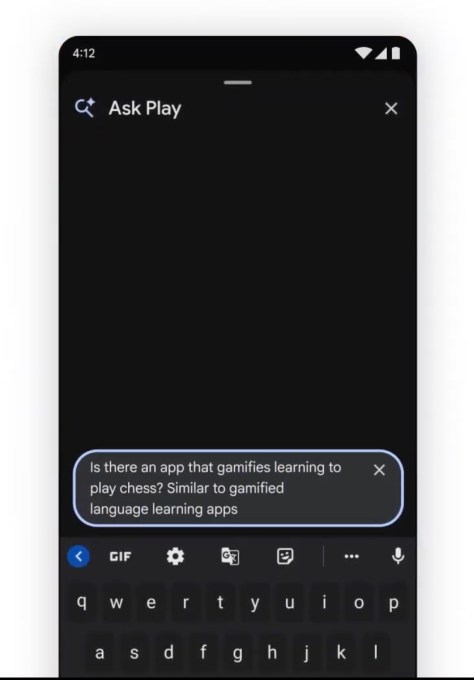
On discovery, Google unveiled a new “Ask Play” conversational overlay that lets users find apps via natural — language queries in the Play Store. Gemini will also begin surfacing apps within user conversations on Gemini on the web and Android in the weeks ahead. Later this year, Google plans for Gemini to surface more than 450,000 movies and TV titles and livestream sports, linking relevant queries directly to developer apps.
Sources
Replies (0)
No replies in this topic yet.
