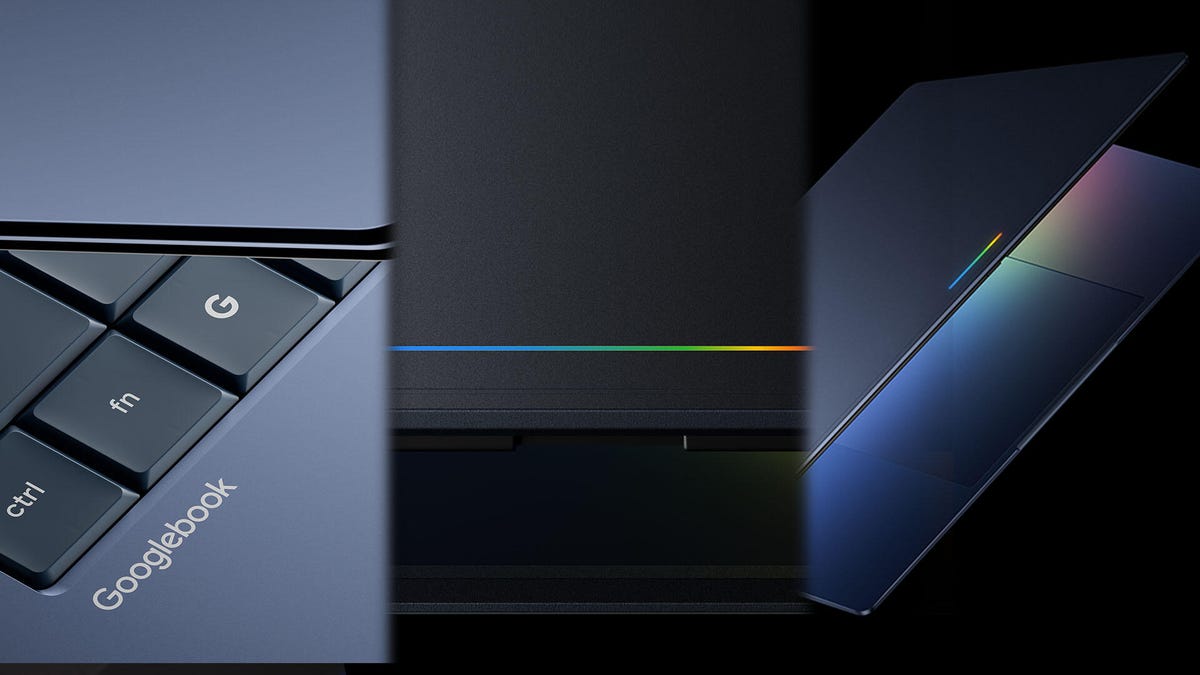
Google previewed Googlebook on May 12, a premium laptop line running a single OS that combines Android app support and ChromeOS features, with Gemini AI tools and deep phone — to-laptop integration;
Google previewed a new premium laptop family called Googlebook on May 12 and said the devices will arrive this fall. The company positioned Googlebook above traditional Chromebooks and described the effort as a bid to remove friction between phones and laptops by shipping a single operating system that blends Android and ChromeOS capabilities. The change aims to reshape how users move apps and data between devices and could shift expectations for laptop functionality and workflows.
The unified OS embeds Android app support directly into the laptop experience and surfaces features driven by Google’s Gemini Intelligence. Demonstrated capabilities include Cast My Apps, which runs phone apps on a laptop without requiring separate downloads; Create My Widget, an AI tool that generates desktop widgets (a demo produced a scrollable family‑trip itinerary); and Quick Share, a cross‑device sharing feature that will be AirDrop‑compatible on Pixel phones first.
Rollout is staggered. Google said phone‑to‑laptop features will begin this summer on the newest Pixel and Samsung Galaxy devices, with broader Quick Share support planned later this year for Samsung, OPPO, OnePlus, Vivo, Xiaomi and Honor. The company promised additional technical details at its I/O developer conference on May 19 and framed the Googlebook initiative as a strategic and potentially risky shift in how phones and laptops interoperate.
Google’s timing follows moves in the broader laptop market: Apple’s $599 MacBook Neo earlier this year reset consumer expectations for what inexpensive laptops can deliver, and Google appears to be offering Googlebook as a premium alternative. Despite the new line, Google executives stressed that Chromebooks are not being retired: the existing Chromebook lineup will continue and Google signaled ongoing software support for current devices.
The unified OS will change developer priorities and compatibility testing. Native Android apps must be validated for laptop form factors and larger screens, AI‑generated widgets and new UI surfaces will need desktop‑aware behavior, and integrations such as Cast My Apps and Quick Share require testing across phone and laptop contexts. Given the staged rollout, Google’s guidance implies early compatibility work should prioritize the latest Pixel and Samsung Galaxy phones to ensure smooth interoperation as features expand to other manufacturers.
Sources
Replies (0)
No replies in this topic yet.
