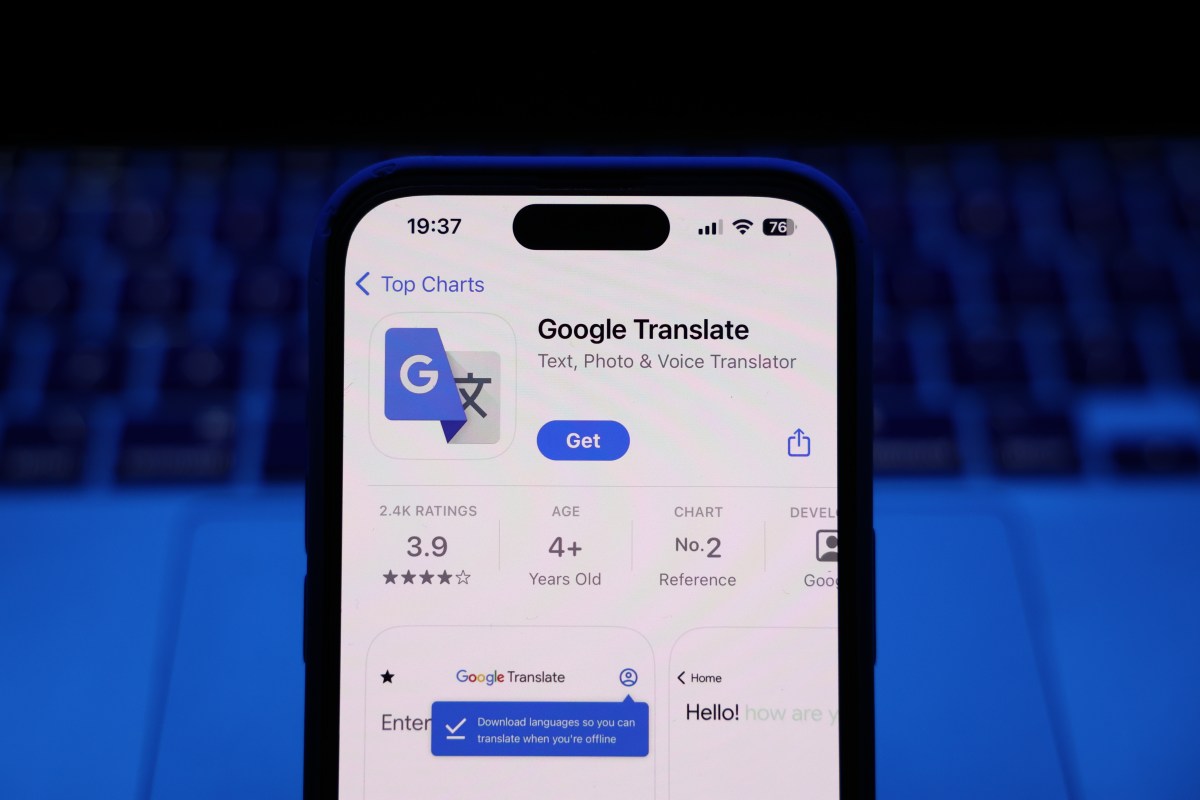
Google Translate has marked its 20th anniversary with the introduction of an advanced AI-powered pronunciation practice feature, significantly enhancing its utility for language learners. This new capability aims to move the platform beyond basic translation, providing users with a direct tool to improve their enunciation and grasp the nuances of speaking new languages accurately. The development underscores a continued commitment to leveraging artificial intelligence to bridge communication gaps and facilitate more effective language acquisition.
The innovative feature is seamlessly integrated into the existing translation interface. After translating a word, sentence, or phrase, users can access a dedicated "Practice" menu. Within this menu, a "Pronounce" button becomes available, displaying phonetic representations of the translated text. Users are then prompted to speak the text aloud, and the application's AI analyzes their speech, scoring their pronunciation and offering immediate, constructive feedback. For instance, the system might indicate that "Some sounds were a little unclear," guiding the user towards specific areas for improvement. Additionally, users have the option to listen to the app's own high-quality pronunciation of the text, providing a clear model for practice.
This strategic enhancement positions Google Translate as a more comprehensive language learning tool, directly competing with platforms like Duolingo that have long specialized in interactive speaking exercises. While Google Translate's primary function has historically been to facilitate understanding across linguistic barriers, this AI-driven pronunciation practice signifies a notable expansion into active, real-time language education. For millions worldwide striving to master a new language, overcoming the inherent challenges of accurate pronunciation is a critical step towards fluency. The accessible, low-pressure, and instant feedback provided by Google's AI offers a valuable and practical mechanism for users to refine their speaking skills independently.
The new pronunciation practice feature is currently being rolled out to users in specific key markets. Initial availability includes the United States and India, reflecting regions with significant linguistic diversity and a high demand for language learning tools. At its launch, the feature supports a core set of languages: English, Spanish, and Hindi. This targeted initial deployment allows Google to refine the AI model and user experience before a potential broader expansion, indicating a methodical approach to integrating such a sophisticated learning aid across its global user base.
The introduction of this pronunciation tool is part of Google Translate's ongoing evolution, building on recent advancements to enhance its comprehensive language support. Only last month, the platform expanded its "live headphone translation" feature to iOS devices, complementing its existing availability on Android. This particular feature, which facilitates real-time spoken translation through headphones, also saw its Android availability significantly broadened to include numerous countries such as Germany, Spain, France, Nigeria, Italy, the United Kingdom, Japan, Bangladesh, and Thailand. These continuous updates underscore Google's commitment to delivering diverse and increasingly sophisticated tools for seamless cross — linguistic communication and learning.
Marking two decades since its inception, Google Translate continues to innovate, addressing user needs identified over years of operation. The addition of pronunciation practice directly responds to what has been described as a "top-requested feature," leveraging advanced AI to tackle one of the most persistent hurdles in language acquisition. By offering instant, AI-powered feedback on spoken words and phrases, the platform empowers users to not only understand new languages but also to speak them with greater confidence and accuracy, solidifying its role as a versatile and indispensable tool in the global linguistic landscape.
Sources
Replies (0)
No replies in this topic yet.
