On May 19, 2026 Google published Antigravity 2.0, a ground — up rebuild that centers multi — agent orchestration rather than single — agent coding assistance.
Google released Antigravity 2.0 on May 19, 2026 as a ground — up rebuild that recasts the product from an IDE-style coding assistant to a platform for coordinating multiple autonomous agents. The change matters because Antigravity 2.0 treats agents as interoperable runtime components — supporting scheduled automation, runtime coordination and embeddability — which alters how development teams design and operate AI-driven applications.
Antigravity 2.0 is delivered as an integrated product family: a desktop application, command — line tooling and an SDK that all run the same underlying agent harness across surfaces. Antigravity 1.0, launched in November 2025, will remain available, but 2.0 is presented as a standalone flagship rebuilt from the ground up rather than an incremental update. The release arrives in a competitive, 'agentic' development landscape that includes Cursor and GitHub Copilot. Google explicitly reframes Antigravity as a multi — agent orchestration platform rather than an IDE-first assistant, positioning runtime coordination, scheduled background tasks and embeddability as the key differentiators in a market still defining what agentic development means.
For builders, the platform introduces both new opportunities and trade — offs. Scheduled tasks let agents run as background processes instead of responding only to single prompts; voice controls target tighter integration with Google workspace features; and the SDK plus managed cloud agents broaden deployment options. Teams will need to adapt to agent — oriented application architecture and the operational demands of long-running, coordinated agents.
Google rebuilt the Antigravity CLI in Go for performance and now fully replaces the Gemini CLI; the company set a hard cutoff for Gemini CLI access on June 18, 2026 across AI Pro, AI Ultra and free-tier accounts. Existing concepts — Agent Skills, Hooks, Subagents and Extensions — are preserved in the new tooling but renamed Antigravity plugins. Because the desktop app and CLI share the same agent harness, upstream agent enhancements propagate to both surfaces without separate ports.
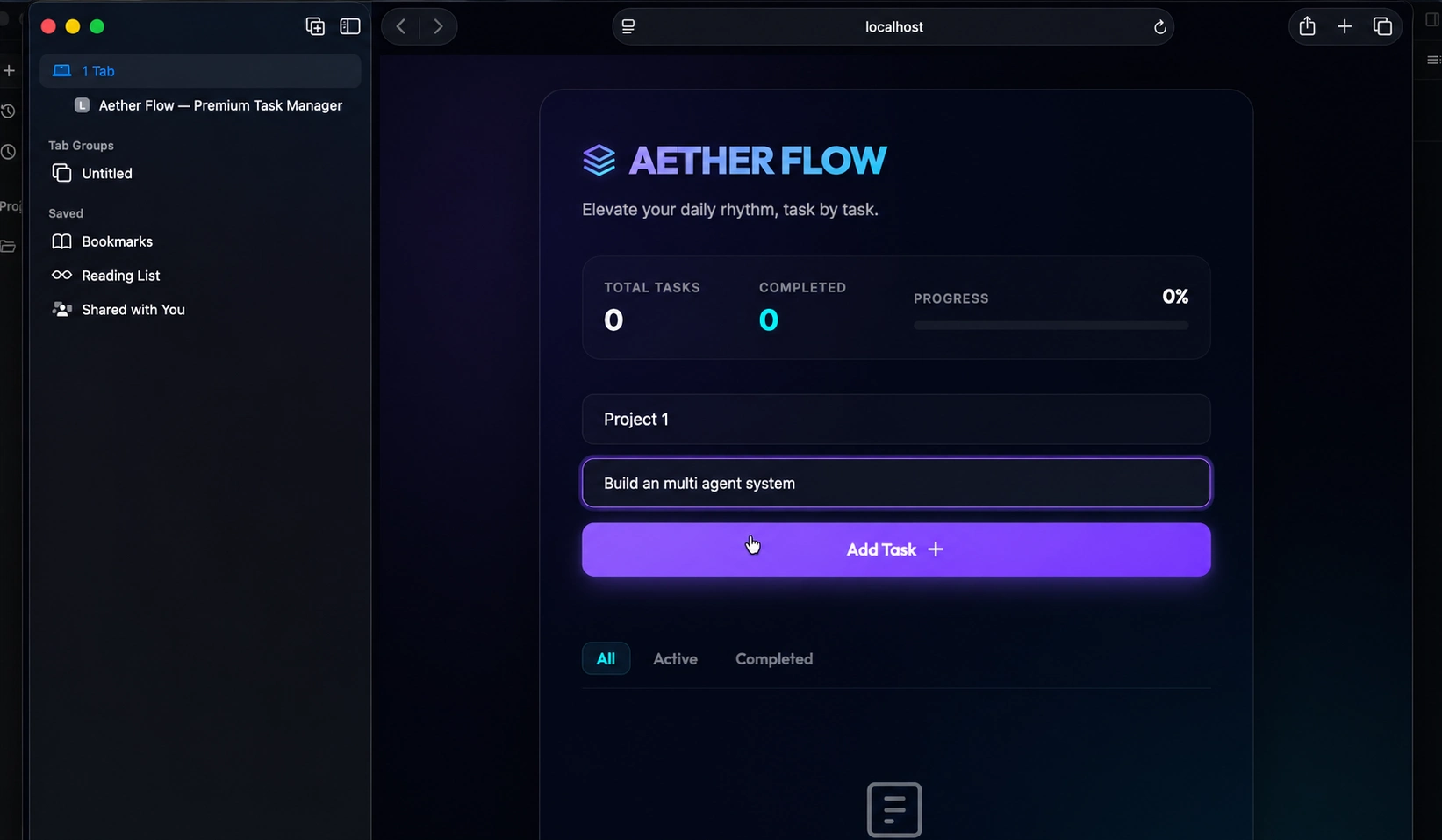
Under the hood Antigravity 2.0 is designed to run on Gemini models: the documentation and developer guide reference Gemini 3.5 Flash as the model family powering agent behaviors. The Antigravity SDK exposes that harness programmatically, allowing engineering teams to define custom agent policies and run agents either on their own infrastructure or via Google's managed option. The developer guide includes hands — on tutorials — such as building a to-do app from scratch — to illustrate the end-to-end flow and help teams adopt the new agent — centric model.
Sources
Replies (0)
No replies in this topic yet.
