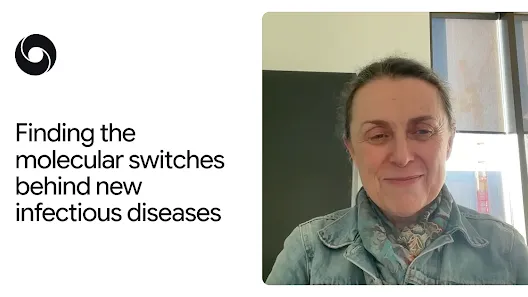
In May 2026 Professor Clare Bryant at the University of Cambridge tested the multi‑agent AI Co — Scientist by feeding it a summary of a grant proposal on influenza in birds and humans; the system produced and ranked promising hypotheses, and after Bryant submitted the full funded proposal it prioritized a protein she had not been focusing on, prompting an "a‑ha" moment while she was travelling to Brussels. This shift matters because it compressed the team’s pathway from broad candidate lists toward actionable molecular leads, potentially accelerating experimental timelines.
Co — Scientist is described as a multi‑agent AI partner that aggregates published literature and online resources to help researchers pose and evaluate hypotheses. Bryant used the tool iteratively: first a grant summary, then the detailed funded proposal, and finally unpublished, confidential lab material. With each pass the AI narrowed the search space, moving from lists of proteins to specific amino acids as candidate drivers for experimental study.
Following the AI’s prioritization, Bryant’s lab is constructing cell lines carrying the amino‑acid mutations highlighted by Co — Scientist so they can test the refined hypotheses experimentally. Bryant says reaching the point of specific amino‑acid leads would normally take two to three years of work; with the AI‑guided prioritization her team is on track to reach that point in roughly six months if the chosen targets prove biologically correct.
The project focuses on molecular "switches" that can determine whether zoonotic pathogens — those that jump from animals to humans — cause severe disease. The report places this effort in a broader context: most emerging infectious diseases, including Ebola, HIV, seasonal influenza and Covid‑19, arise from cross‑species transmission. Bryant’s research specifically includes mechanisms that can drive severe outcomes such as sepsis.
For laboratory builders and research teams the case highlights two practical advantages of the tool. First, by pulling disparate literature together Co — Scientist can surface unfamiliar, thought‑provoking hypotheses that might otherwise be overlooked. Second, in data‑rich fields the AI can accelerate experimental prioritization, helping teams focus finite wet‑lab resources on the most promising questions. Bryant emphasizes the system’s value in catching leads she might miss and in steering the lab toward a smaller set of higher‑priority targets. That focus is intended to reduce wasted bench time and concentrate resources on constructing and assaying mutant cell lines that directly address the AI‑identified hypotheses.
Important caveats remain. The accelerated timeline is conditional on whether the AI’s prioritized targets are biologically correct; Bryant’s group is carrying out the necessary validation by building and testing the mutant cell lines. The report also notes that unpublished material was kept confidential within Co — Scientist during the iterative process, a procedural detail relevant to other research teams considering similar AI workflows.
Sources
Replies (0)
No replies in this topic yet.
