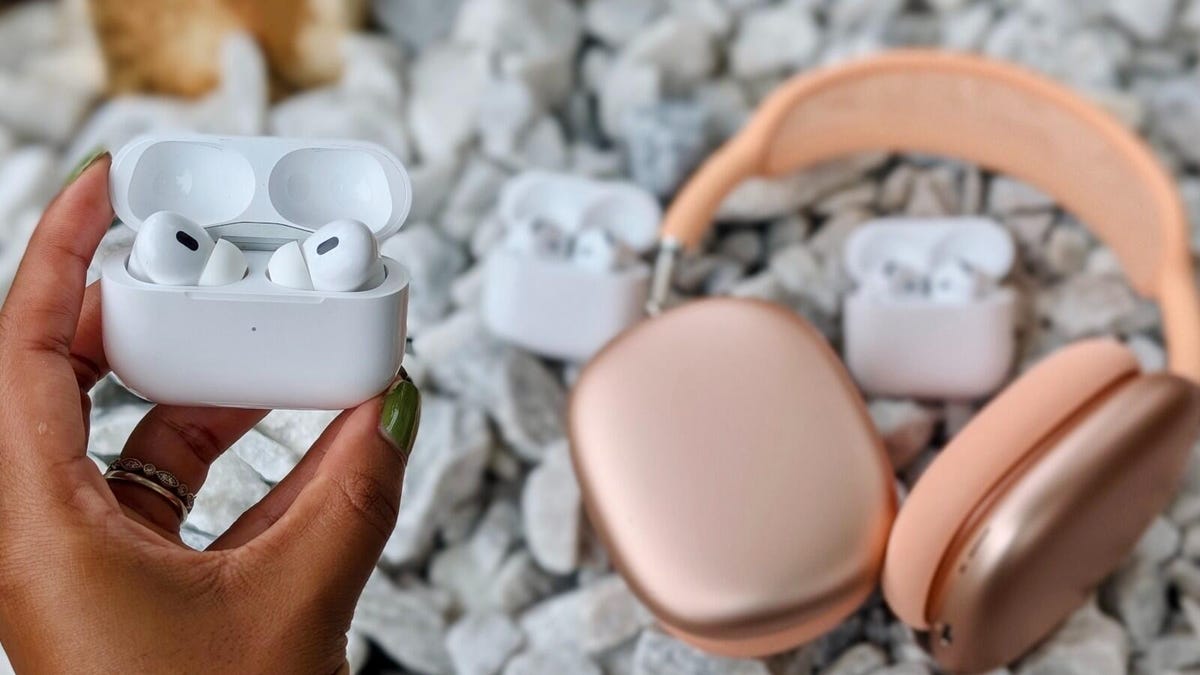
Editor Jada Jones urged Apple on May 28, 2026 to enable LE Audio on existing AirPods via an over‑the‑air firmware update ahead of WWDC, arguing the change would deliver immediate, practical improvements in battery life, latency and hearing‑aid support. That single software flip, Jones writes, would matter more for day‑to‑day users than the more headline‑grabbing hardware features some expect. If Apple acts, users of AirPods and third‑party accessories could see measurable benefits without buying new earbuds.
Jones points out that Apple's current AirPods lineup — specifically AirPods Max 2, AirPods Pro 3 and AirPods 4 — already contains the necessary hardware to support LE Audio, so the upgrade could be pushed as a firmware update to existing devices. Because the change would be software‑driven, it could reach millions of users quickly, avoiding the longer cycle required for a new hardware model.
The technical payoff centers on the LC3 codec used by LE Audio. Jones preserves the distinction that Apple historically favored the AAC Bluetooth codec, which it tuned around the iTunes era beginning in 2003, but notes AAC is more power intensive than LC3. LE Audio replaces the legacy SBC requirement with LC3, designed to deliver comparable perceived audio quality at significantly lower power consumption and with much lower and more consistent latency.
Those codec differences have concrete consequences: users who pair non‑Apple headphones and hearing aids to iPhones, iPads and Macs often see faster battery drain when those receivers stream AAC from an Apple source. Enabling LC3 on Apple devices would allow non‑Apple peripherals to benefit from reduced power draw, improved synchronization and steadier audio quality when connected to Apple sources.
On rollout and competitive context, Jones acknowledges broader rumors of new AirPods features — including claims from analyst Mark Gurman about a future model with integrated infrared cameras — and notes other vendors are exploring camera‑equipped earbuds. She also reports that the Bluetooth Special Interest Group told her manufacturers ultimately decide which Bluetooth features to implement, meaning Apple could selectively enable LE Audio features while omitting parts of the spec such as Auracast to retain ecosystem control.
For accessory makers, developers and hearing‑aid vendors the stakes are practical: a firmware switch to LC3/LE Audio could change peripheral battery profiles, require testing and firmware updates from accessory makers, and alter synchronization expectations for apps that rely on ultra‑low latency. What to watch at WWDC is whether Apple flips the software switch, offers a user toggle between AAC and LC3, and clarifies any intentional omissions like Auracast support — moves that would determine the immediate impact across the ecosystem.
Sources
Replies (0)
No replies in this topic yet.
