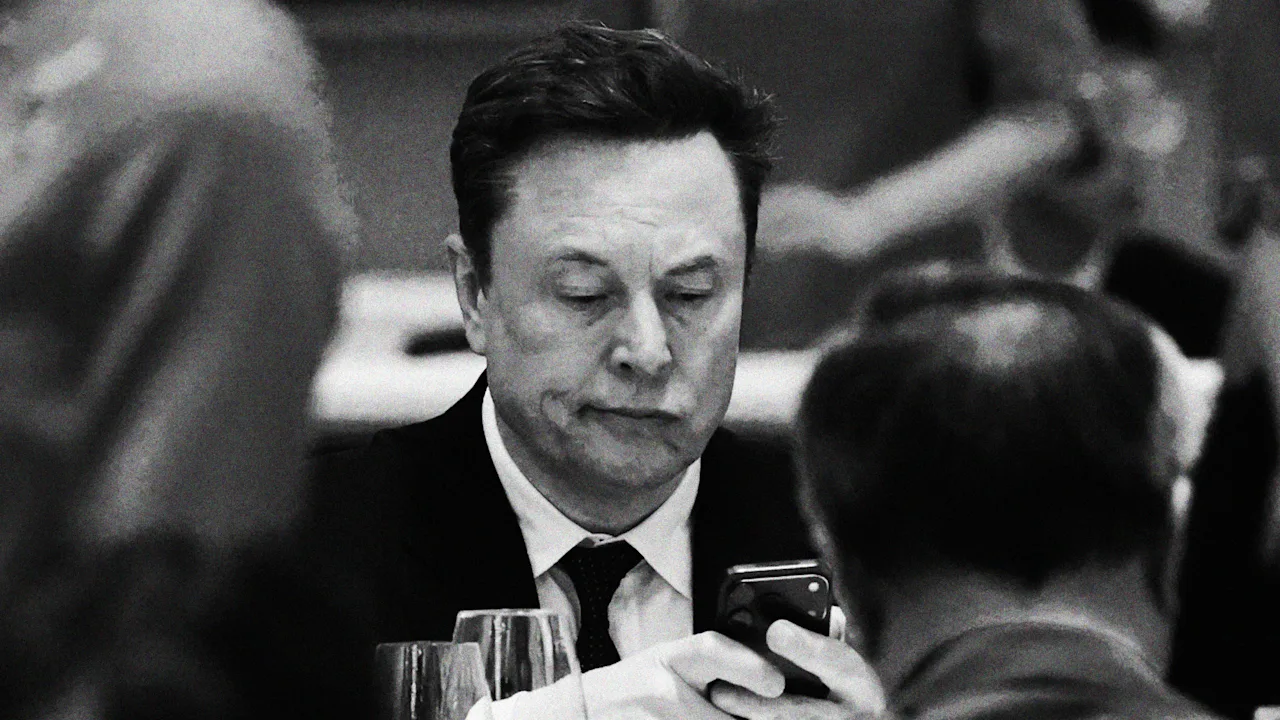
A jury on Monday found against Elon Musk in his lawsuit targeting Sam Altman and OpenAI, and a judge subsequently upheld that verdict after a two‑week trial. The courtroom proceedings produced wide public disclosure of internal texts, emails, Slack messages and diary entries, turning private communications into evidence and putting leaders’ off‑the‑record conduct on display.
Among the items introduced at trial were Musk’s combative text threatening to make “[Altman and Brockman] the most hated men in America” if OpenAI refused to settle, a diary entry from Greg Brockman asking “Financially, what will take me to $1B?,” and anxious messages from Mira Murati to Microsoft CEO Satya Nadella as the company’s boardroom dispute unfolded. Trial documents also showed Microsoft holds a 27% stake in OpenAI, and suggested Nadella largely avoided embarrassing disclosures by limiting his written commentary.
The disclosures illustrated how discovery can reshape public perceptions of executives. Sarah Kreps of the Tech Policy Institute said the case was “a reminder that discovery can be the real trial,” noting that hundreds of communications and private notes were aired publicly and often unflatteringly, revealing leaders as more human and messier than their public personas suggested.
The trial reinforced a practical governance lesson: assume written corporate communications may become public. Corporate governance advocate Nell Minow warned executives should “assume that everything you write is going to be revealed at some point,” and observers noted it is often safer to pick up the phone than to fire off texts or emails. Whether the exposure will produce lasting changes in executive behavior remains uncertain.
Sources
Replies (0)
No replies in this topic yet.
