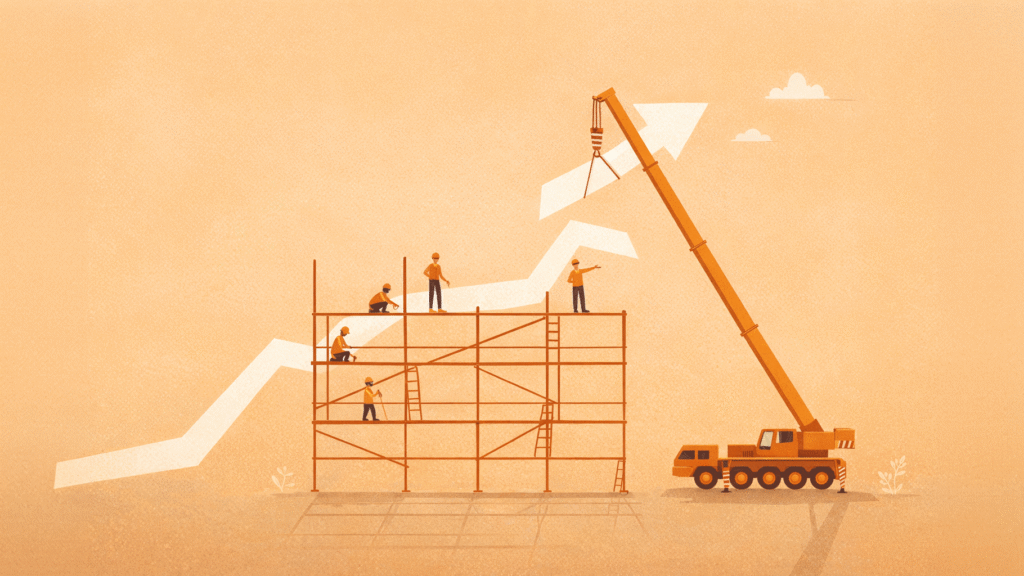
Microsoft and LinkedIn executives have released a structured 90 — day blueprint designed to help professionals confidently integrate artificial intelligence into their daily workflows. The framework, detailed in the newly published book "Open to Work: How to Get Ahead in the Age of AI" by Ryan Roslansky, executive vice president of LinkedIn and Microsoft Office, and Aneesh Raman, LinkedIn chief economic opportunity officer, provides a step-by-step strategy for achieving workplace fluency. Roslansky emphasizes that the modern work environment is actively being assembled task by task, allowing proactive workers to shape their own career trajectories by adopting these emerging tools.
The initial month of the program requires employees to conduct a rigorous inventory of their daily and weekly duties to identify where artificial intelligence can deliver the most impact. Professionals are advised to separate their top twelve tasks into three distinct categories: duties the technology can perform alone such as data entry and routine reports, hybrid tasks requiring automated insights alongside human strategic analysis, and uniquely human responsibilities like building trust and navigating ethical decisions. To build momentum safely, the blueprint suggests starting small by using Microsoft 365 Copilot for everyday autopilot tasks like summarizing meeting notes, and creating peer groups to share effective prompts.
As professionals transition into the second month of the blueprint, the focus shifts heavily toward cultivating core human competencies that remain resistant to technological automation. The executives identify curiosity, creativity, communication, compassion, and courage as essential skills that professionals must actively develop to complement their automated workflows. By offloading repetitive, low-value assignments to automated systems, workers can reclaim valuable time to concentrate on strategic problem — solving. This phase encourages users to direct Copilot to review their to-do lists for delegation opportunities and draft efficient daily routines that require no more than fifteen minutes a day to build.
The push for structured tool adoption arrives amid measurable shifts in professional engagement with the technology, highlighted by a 29 percent surge in artificial intelligence — related posts on LinkedIn throughout 2025. The final thirty days of the integration period challenge workers to utilize their newly streamlined schedules to assess their long-term career goals. By the end of the 90 — day cycle, individuals are expected to have established a hybrid working model where routine operations are reliably managed by software, leaving their human capabilities directed entirely toward high-impact corporate contributions.
Ultimately, the joint initiative places the responsibility of technological adaptation squarely on individual professionals rather than sweeping corporate IT departments. While the source text outlines the specific progression phases and initial Copilot queries, it does not detail how varying enterprise software licenses or internal data security policies might impact a worker's ability to fully implement these autonomous reporting agents. Nevertheless, the Microsoft and LinkedIn strategy presents a definitive timeline for the modern labor market, indicating that workers must proactively restructure their habits to maintain a competitive edge.
Sources
Replies (0)
No replies in this topic yet.
