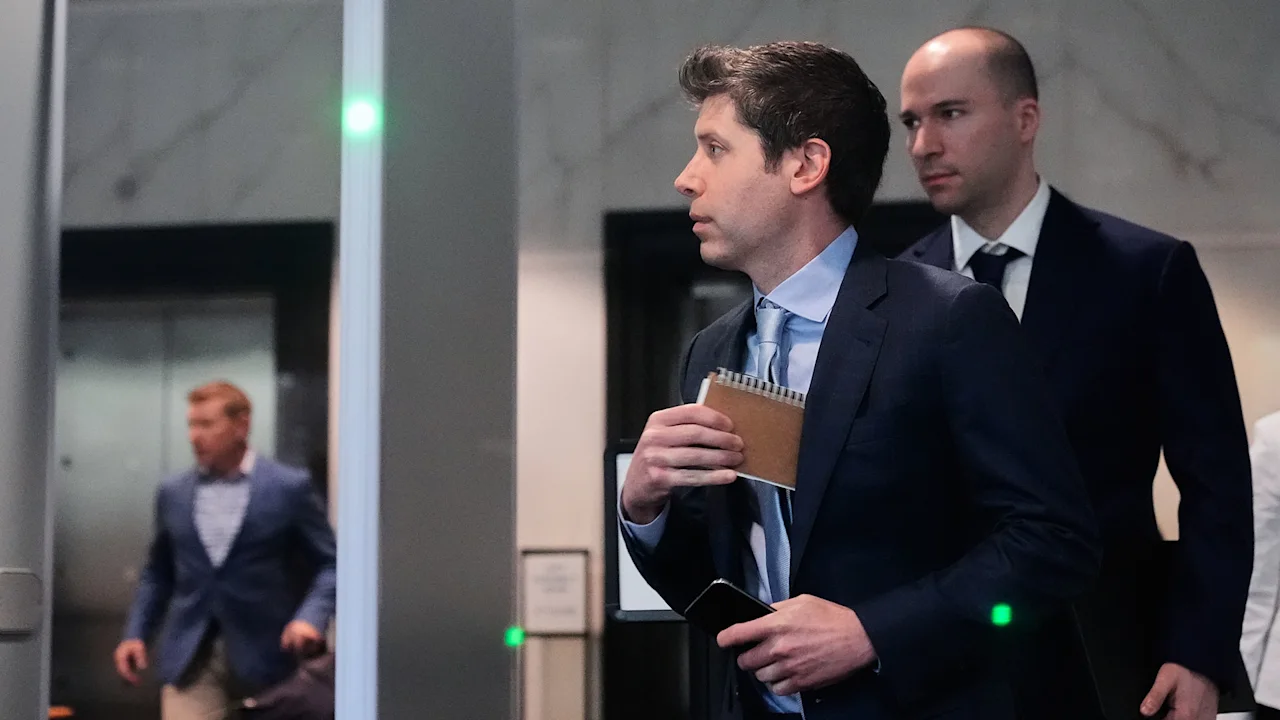
A federal civil trial in Oakland has put Elon Musk and OpenAI CEO Sam Altman at the center of a dispute over the company’s direction and leadership, with Altman expected to take the stand this week. Musk is pursuing legal relief that, if granted, would seek Altman’s second removal from company control, turning what began as an internal board fight into a public test of governance at one of the industry’s most prominent firms.
Courtroom evidence has included internal messages from the 2023 episode when Altman was briefly removed and then reinstated. One exchange presented at trial showed Altman asking whether developments were moving “directionally good or bad,” and then‑company officer Mira Murati replying, “Sam this is very bad.” That text has been widely circulated online and used by lawyers to illustrate the fallout from the ouster and return.
The lawsuit frames the leadership dispute against OpenAI’s institutional shift: founded as a nonprofit with Musk as an early backer, the organization has evolved into a capitalized enterprise now valued at about $852 billion. Plaintiffs and witnesses argue that the company’s pivot toward revenue and outside capital departed from its founding mission, a central point of contention in the case. The trial has also foregrounded how OpenAI sits amid intensifying competition. Jurors heard that Musk’s own AI ventures and Anthropic — the startup formed by seven former OpenAI leaders — are direct rivals, and all three firms are moving toward planned initial public offerings that could rank among the market’s largest.
Former board members Helen Toner and Tasha McCauley testified about the decision to fire Altman in 2023 and their subsequent removals from the board after his reinstatement. Ilya Sutskever, a co‑founder and influential scientist, told jurors he authored a memo alleging a “pattern of behavior” tied to honesty and resistance to oversight; he later said he regretted his role in those events and supported Altman’s return.
Payoff and motive details have surfaced in texts and filings. Shortly before trial, Musk abandoned a personal damages claim and instead proposed that any award be directed to OpenAI’s charitable arm. In messages to Greg Brockman, Musk warned Brockman and Altman “will be the most hated men in America,” language prosecutors and defense teams have cited to underline the reputational stakes alongside legal claims that Altman and Brockman shifted the organization toward revenue‑driven priorities.
Observers warn the trial’s revelations could affect more than the people in the courtroom. Sarah Kreps, director of the Cornell Tech Policy Institute, told the court the proceedings are “not looking good” for participants and could worsen public sentiment about AI, with potential knock‑on effects for regulation, hiring and investor confidence.
Sources
Replies (0)
No replies in this topic yet.
