On May 29, 2026, Ritoban Mukherjee published a guide listing five practical steps to protect data and sales pipelines during CRM migrations, warning that common mistakes can turn a routine move into months of cleanup and operational disruption.
Ritoban Mukherjee published a practical guide on May 29, 2026 laying out five best practices for migrating to a new CRM, arguing that routine errors frequently turn migrations into protracted recovery efforts. Mukherjee opens with a familiar scenario: teams treat migrations as a simple export and soon face mismatched fields, duplicate contacts and a sales force unable to log activity. That combination can stall day-to-day work and undermine confidence in the new system — a risk the guide aims to reduce for sales, operations and IT teams.
The guide’s first recommendation is a full audit of existing CRM data before any transfer. Mukherjee cites research showing more than 70% of CRM records become inaccurate within a year and notes many organizations discover 10%–30% duplicate records once they inspect their databases. He says audits should flag duplicates, records missing critical fields such as email or company name, and outdated contacts with no recent activity. Mukherjee emphasizes using the audit to decide what to carry forward, since migration cost and complexity scale with data volume.
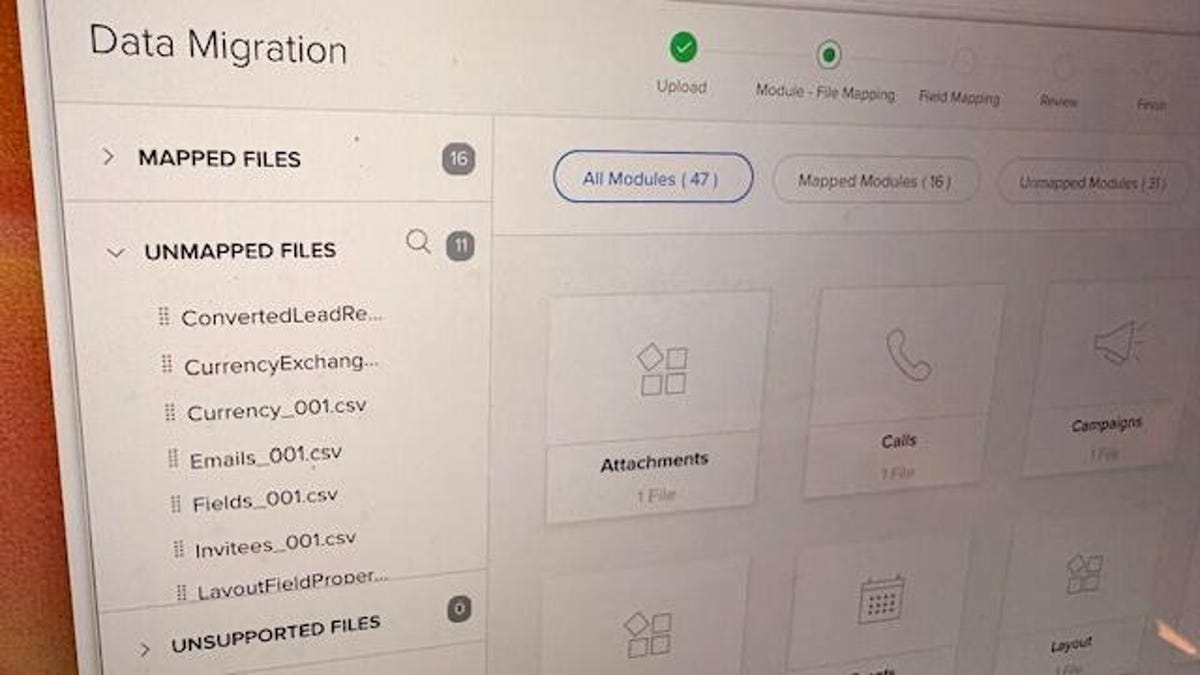
A second core practice is creating a detailed field — mapping document that translates every field from the legacy system to the new CRM, including custom fields. The guide highlights common pitfalls — for example, name mismatches like “Company name” mapping to “Account name” and relationship — breaking errors when related fields aren’t aligned — and frames mapping as essential to preserving links between accounts, contacts and deals.
Mukherjee’s third recommendation is to run a test migration into a staging environment using a small but representative dataset. He advises selecting data slices that include accounts, their associated contacts, open deals and samples of historical activity so the test surfaces mapping, relationship and workflow issues without exposing the full database. The guide notes migration complexity grows with dataset size and argues thorough testing reveals edge cases and broken automations well before cutover.
Beyond these specifics, Mukherjee stresses the stakes: untreated data issues can corrupt reporting, break automated workflows, skew forecasting and create duplicate outreach that wastes sales effort. He cites an analysis from Vantage Point estimating up to 40% of CRM migrations encounter significant problems. The guide concludes that migrations require time and careful work, and that following the five practices reduces the risk of serious derailments while delivering a steadier rollout and greater operational confidence.
Sources
Replies (0)
No replies in this topic yet.
