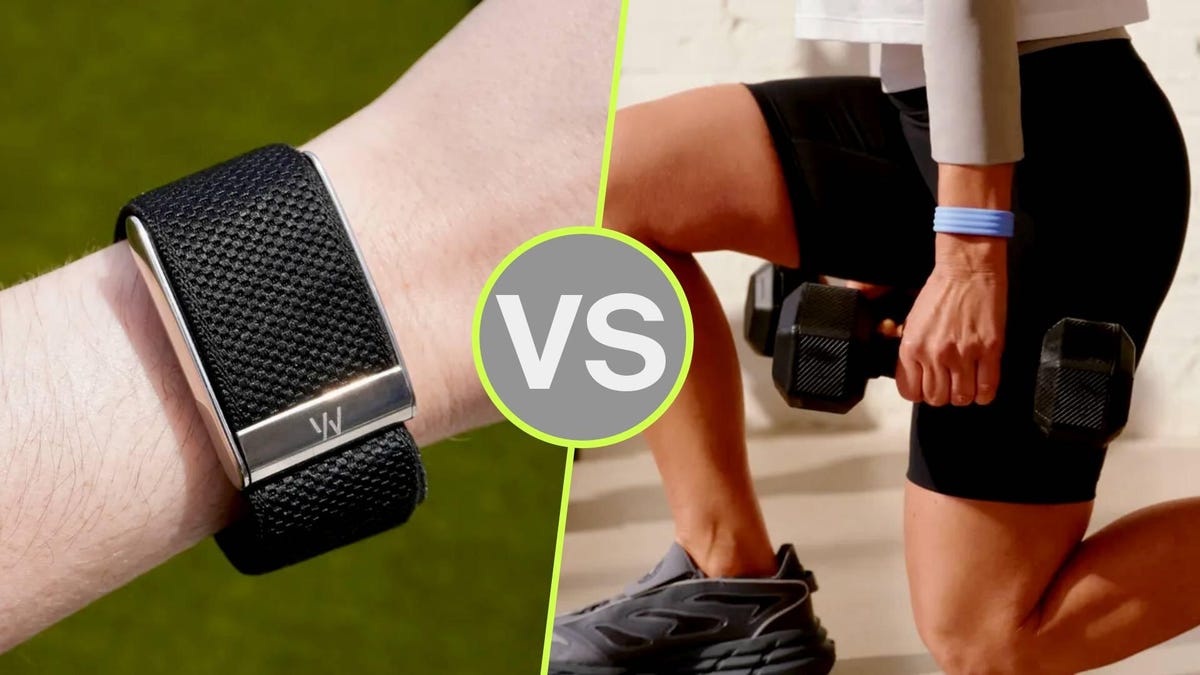
On May 7, 2026, Google unveiled the Fitbit Air, a minimalist, screenless fitness band priced at $100 and aimed at mainstream, price‑sensitive users as an alternative to subscription‑driven wearables. According to Nina Raemont, who authored the announcement and comparison, the Air eschews an on‑device display and relies on companion apps to deliver most of the user experience; Raemont’s piece compared specifications rather than presenting hands‑on testing of the device.
The Fitbit Air is designed to track activity, sleep, recovery and stress while keeping the hardware simple. Its on‑device sensor suite includes an optical heart‑rate monitor, red and infrared sensors for SpO2, a temperature sensor, and motion sensors. The band also provides vibration haptics for alerts, and its app‑centric approach means that advanced analytics and user workflows are handled in cloud services and companion software rather than on the device itself.
Google is positioning AI features as part of its broader health stack and has placed an AI Health Coach behind a paid membership tier. Some advanced features and personalized insights will require Google Health Premium, a subscription that costs $100 per year or $10 per month; Google is offering the first three months free with the purchase of the Air. The company’s presentation frames the paid tier as an optional enhancement rather than a hardware requirement, but it also makes certain capabilities contingent on the subscription.
That positioning contrasts with Whoop’s subscription‑first model. Whoop targets more serious athletes and ties its service to recurring fees and long‑term analytics, while the Fitbit Air is sold at a $100 one‑time price with optional paid services. Whoop’s annual subscription tiers are listed at $199, $239 or $359, making the two products appealing to different customer segments: one emphasizing ongoing coaching and analytics through a membership, the other emphasizing a lower entry price with pay‑for features.
Concrete spec differences give developers and buyers specific tradeoffs to consider. Whoop 5.0/MG is listed at 27 grams and claims about 14 days of battery life; the Fitbit Air weighs 12 grams and is rated for seven days of battery life. Dimensions are similar in length but differ in thickness and width: Whoop measures 34.7 × 24 × 10.6 mm, while the Air measures 34.9 × 17 × 8.3 mm. Water resistance is rated IP68 on Whoop and 5 ATM on the Air.
Fitbit Air lists optical HR, a 3‑axis accelerometer plus gyroscope, red/IR SpO2 sensors, a temperature sensor and a vibration motor. For builders and integrators, the two devices illustrate how much of the user experience now lives off‑device. Both bands are screenless and app‑centric, so advanced analytics, coaching and long‑term data access depend on cloud services and subscription models rather than hardware alone. Because Google’s AI Health Coach and some features are gated by Google Health Premium, third‑party developers and organizations should expect feature availability to depend on paid tiers and service agreements as much as on the physical device.
Sources
Replies (0)
No replies in this topic yet.
