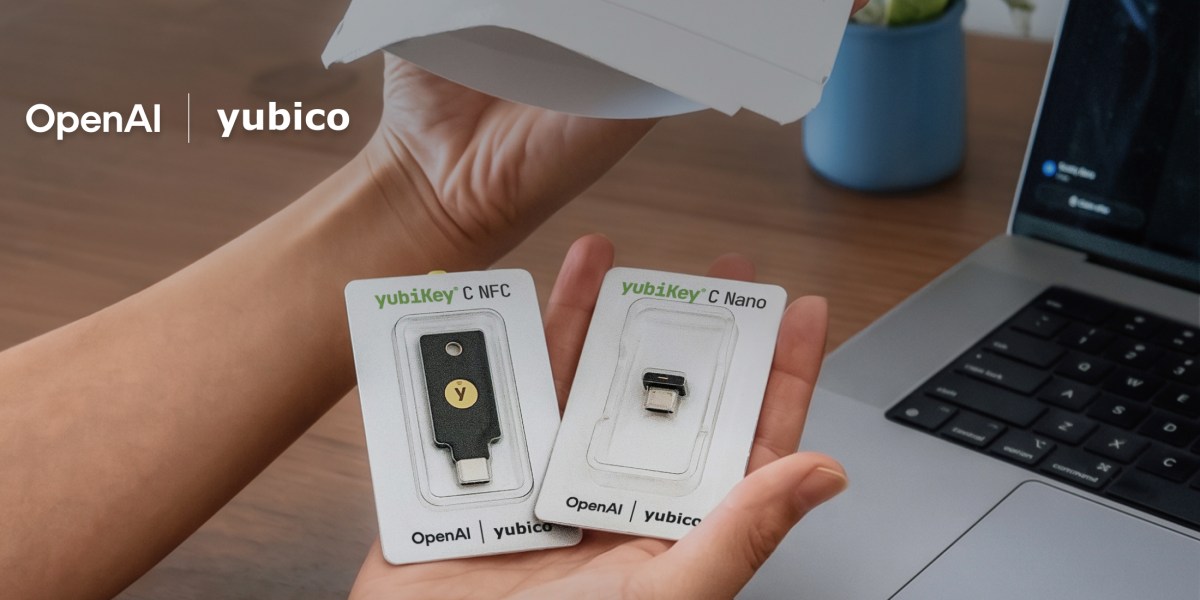
OpenAI has significantly bolstered the security of its ChatGPT platform by introducing 'Advanced Account Security,' an opt-in program designed to provide robust defenses against unauthorized access. This new initiative features a strategic partnership with digital security firm Yubico, which will result in the release of co-branded hardware security keys to fortify user accounts. While available to any ChatGPT user seeking elevated protection, the program is particularly tailored for individuals involved in sensitive or politically charged work.
OpenAI has suggested that Advanced Account Security is an ideal fit for political dissidents, journalists, researchers, and elected officials — individuals who frequently engage in high-stakes activities. In collaboration with OpenAI, Yubico has launched two new security key products: the YubiKey C NFC and the YubiKey C Nano. These co-branded keys are designed to offer an additional layer of hardware — based protection, making accounts significantly more resistant to common cyber threats.
Security keys are small, physical hardware tokens that can be tied to digital accounts and activated through a computer’s USB ports or NFC. A unique cryptographic identifier is securely stored on the key, which acts as a second factor of authentication, allowing only the person in physical possession of the key to successfully log into a connected account. This mechanism drastically reduces the risk associated with password theft or phishing attempts, as merely having credentials is insufficient for access.
This development arrives amid a notable rise in cybercriminal activity targeting users of AI chatbots, with phishing emerging as a significant and growing threat. There is a growing body of literature indicating that bad actors are increasingly focused on chatbot users. The often intimate nature of conversations held within chatbots creates abundant opportunities for malicious actors seeking exploitable or extortion — worthy information, affecting both personal and enterprise — level users. This enhanced focus on digital security by OpenAI also follows similar industry movements, such as Anthropic's recent announcement of its new cybersecurity model, Mythos, indicating a broader trend within the AI sector to prioritize user protection.
The enhanced security measures are expected to 'drastically reduce the threat of unauthorized access to sensitive data in OpenAI accounts worldwide,' according to Yubico CEO Jerrod Chong. For enterprise clients, this provides a critical new layer of defense for safeguarding corporate secrets and proprietary information that may be discussed or stored within ChatGPT sessions, addressing a significant concern for businesses utilizing AI tools.
While a security — key-enabled account offers substantially stronger protection against unauthorized access, it does come with a crucial practical consideration: user responsibility. If the hardware security key is lost, OpenAI will not be able to assist in recovering access to the connected account. This means that any conversations or data stored within those ChatGPT sessions could be permanently lost, underscoring the importance of careful key management by users.
Sources
Replies (0)
No replies in this topic yet.
