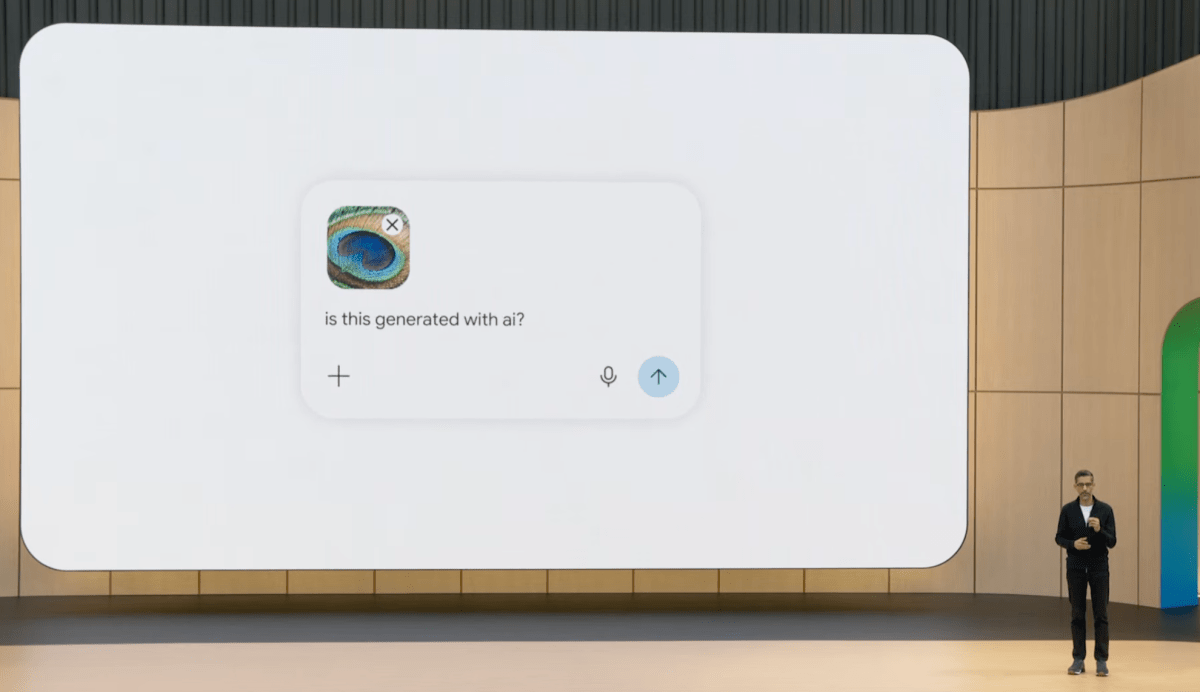
OpenAI said it will attach C2PA provenance metadata and embed Google’s SynthID invisible watermark in images generated by its models, and it has previewed a public verification tool that checks those signals. The move is meant to make it easier to determine whether an image came from OpenAI’s products and to reduce the spread of deceptive AI imagery. Under the C2PA commitment, OpenAI will embed clear provenance metadata in image files to indicate they were AI-generated. C2PA-the Coalition for Content Provenance and Authenticity, founded in 2021 — establishes an industry standard for provenance data and has been adopted by a range of products, including Google’s, though adoption across the broader industry remains inconsistent.
Separately, OpenAI will incorporate Google’s SynthID, an imperceptible watermark designed to survive common transformations such as resizing, screenshots and edits. SynthID is a Google — developed effort intended to be more robust against attempts to remove provenance signals than metadata alone. The verification tool OpenAI previewed will read both the embedded C2PA metadata and the SynthID watermark to report whether an image originated from OpenAI products. For now the public verifier checks only OpenAI — generated images, though the company said it hopes to expand coverage to other tools over time.
OpenAI framed the two systems as complementary, noting trade — offs between them. "Watermarking can be more durable through transformations like screenshots, while metadata can provide more information than a watermark alone," OpenAI said, arguing that layering both signals increases resilience against tampering. A key limitation is scope: these protections apply only to images produced by OpenAI’s products and will not directly affect images created with other tools or from less reputable generators. OpenAI presented the step as a way to avoid contributing to misleading imagery, while acknowledging that industry — wide impact depends on broader adoption of similar standards and techniques.
For builders and platforms the rollout highlights practical trade — offs: C2PA signals are easy to inspect but can be altered if a recipient is not trusted, whereas SynthID aims to persist through transformations but is tied to Google’s technique. OpenAI’s initial public verifier is a first step toward broader verification, but its immediate coverage remains limited to OpenAI outputs.
Sources
Replies (0)
No replies in this topic yet.
