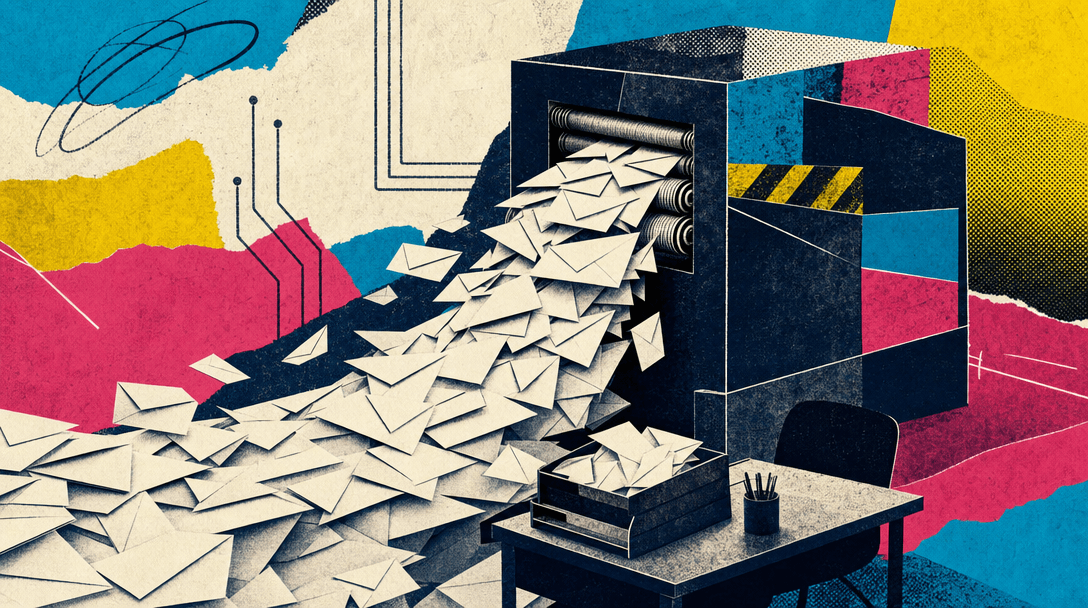
Y Combinator cofounder Paul Graham says he now ignores emails that show clear signs of AI generation because detection shifts attention from content to sender intent; academic and workplace studies report similar reputational and trust costs.
Paul Graham wrote on X that he now skips emails that show obvious signs of having been produced by text generators, saying that once he detects AI his attention moves from the message to questions about the sender’s care and motives. He added that he has left unread messages that carried a real person’s name but were clearly AI‑generated, arguing the effect undermines the sender’s credibility and wastes the recipient’s attention.
Graham, cofounder of Y Combinator and an early investor in OpenAI, faulted a recent wave of founder outreach for adopting a “hard‑hitting journalistic style” he associates with generative tools. He wrote that sloppy AI use makes him think less of the author, implies they cannot write unaided or are trying to trick him, and that having AI write for you is not impressive—“any teenager can do that.” He nevertheless allowed that AI can be useful when applied correctly.
Academic research tracks similar reactions. An Ohio State University study of 208 participants led by Bingjie Liu found recipients systematically rated AI‑generated messages more negatively; participants described such messages as lazy and insincere and reported lower feelings of security and satisfaction in relationships with senders. Liu suggested people may perform an unconscious “Turing test” when scanning messages for machine‑produced patterns.
Workplace survey data underline the practical consequences for internal and external communication. BetterUp Labs, working with Stanford’s Social Media Lab, polled 1,150 US employees and found 40% regularly receive low‑substance AI content from colleagues, while 53% said such content annoys them. Roughly half of respondents judged senders of that content less creative, capable and reliable, 42% rated them less trustworthy, and about one‑third said they would prefer to work less with those colleagues.
Researchers synthesize these findings into two related social mechanisms: social devaluation and loss of trust. Once AI use is detected, attention often shifts away from message quality to perceived effort and sincerity. BetterUp’s researchers distinguish “pilots,” who employ AI with clear purpose and autonomy, from “passengers,” who rely on it mainly to avoid work; Graham places founders who send unedited AI drafts in the latter camp.
The immediate implication for founders, builders and teams is reputational: generative models can speed drafting, but careless or undisclosed use in outreach and routine workplace messages risks reduced attention and damaged relationships. Graham summed the practical takeaway succinctly—“AI should be used, but in the right way”—stressing the need for human oversight, clear intent and purposeful editing when integrating generative tools into communications.
Sources
Replies (0)
No replies in this topic yet.
