Pope Leo XIV released an 85‑page encyclical, Magnifica Humanitas: On Safeguarding the Human Person in the Time of Artificial Intelligence, in Vatican City on May 25, 2026, framing AI as a social and moral issue and warning of a growing "culture of power" behind the AI race. The document explicitly criticizes concentration of influence over AI and signals the Vatican’s intent to weigh in on debates about who controls the technology and its effects on society.
The encyclical aims to draw clear distinctions between humans and machines, arguing that machines can never replace human morality or consciousness. It cautions against centralizing AI development and distribution in the hands of a few powerful actors and advises clergy not to rely on AI to prepare homilies, asserting that AI "will never be able to share faith."
A core concern in the text is the concentration of AI power: the document names a small set of wealthy investors and major tech companies as risks to pluralistic design and deployment. The Pope argues that when control is concentrated, systems are likely to reflect narrow institutional or commercial values rather than the broader common good, making governance and access urgent ethical questions as much as technical ones.
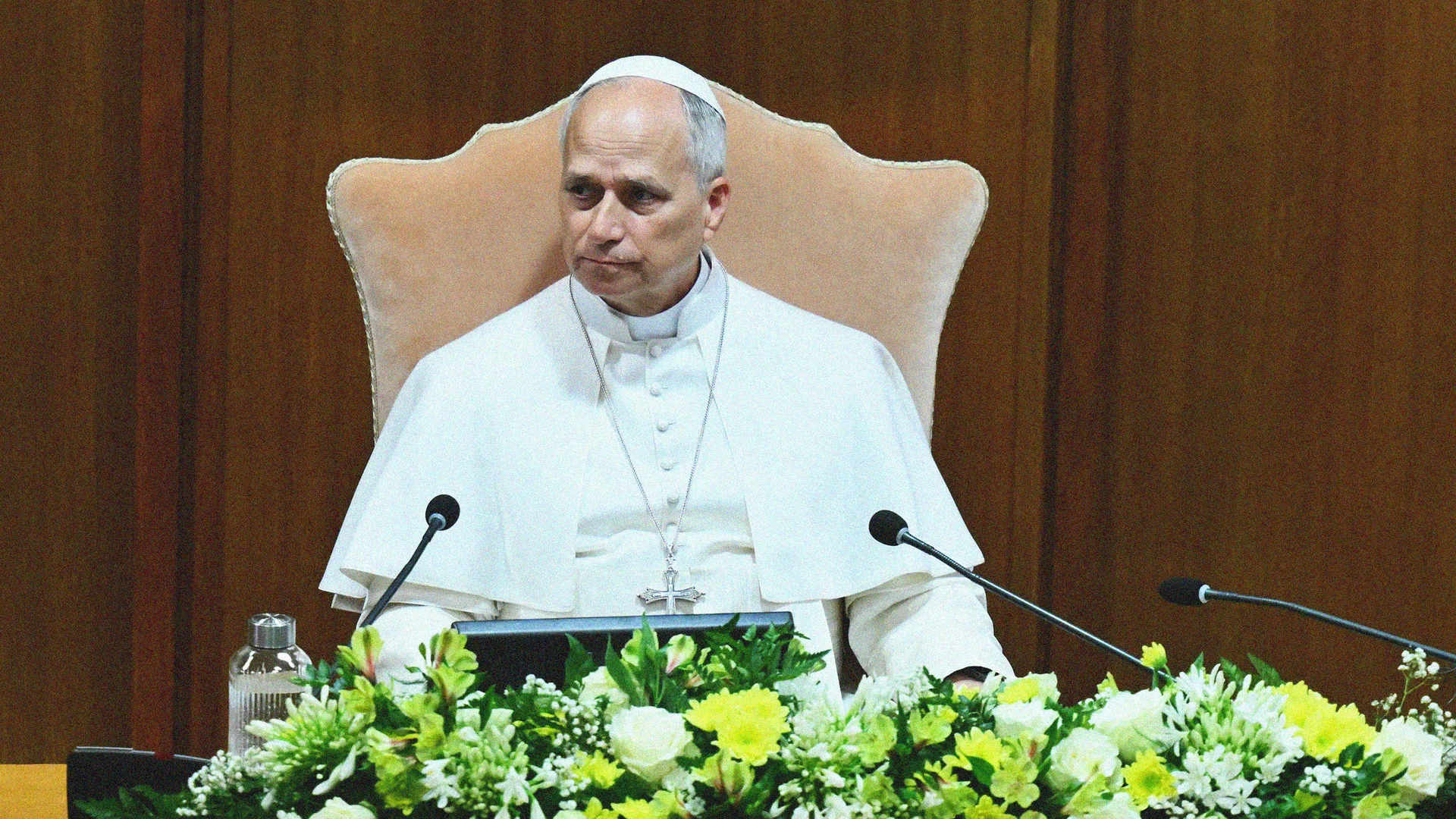
Responses from the research community were largely favorable while probing the encyclical’s boundaries. Chris Olah, who helped shape the Vatican’s process, emphasized that questions about how AI should interact with the world extend beyond computer science into the humanities, religion, and philosophy. Other researchers praised the attention to social and ethical issues even as they debated the document’s technical claims about what AI can and cannot become.
Prominent commentators amplified the encyclical’s warnings about concentrated control. Systems architect Daniel Jefferies wrote on X that "AI takes on the characteristics of those who build it, finance it, and regulate it," warning of potential "digital oligarchies," a post retweeted by AI pioneer Yann LeCun. The Vatican says the encyclical was informed by extensive conversations with scientists, engineers, educators, political leaders, and families — a cross‑sector outreach that could shape ongoing governance and ethics discussions among builders and policymakers.
The encyclical arrives amid a broader, interfaith debate about AI that religious leaders have wrestled with for years. Christianity, Judaism, Islam, and Buddhism have debated AI‑written sermons, chatbot theologians, and the technology’s effects on labor, misinformation, warfare, and the environment. Some faith communities have adopted AI tools for research, translation, and education, while many leaders insist machines cannot supplant divine inspiration or moral judgment.
Sources
Replies (0)
No replies in this topic yet.
