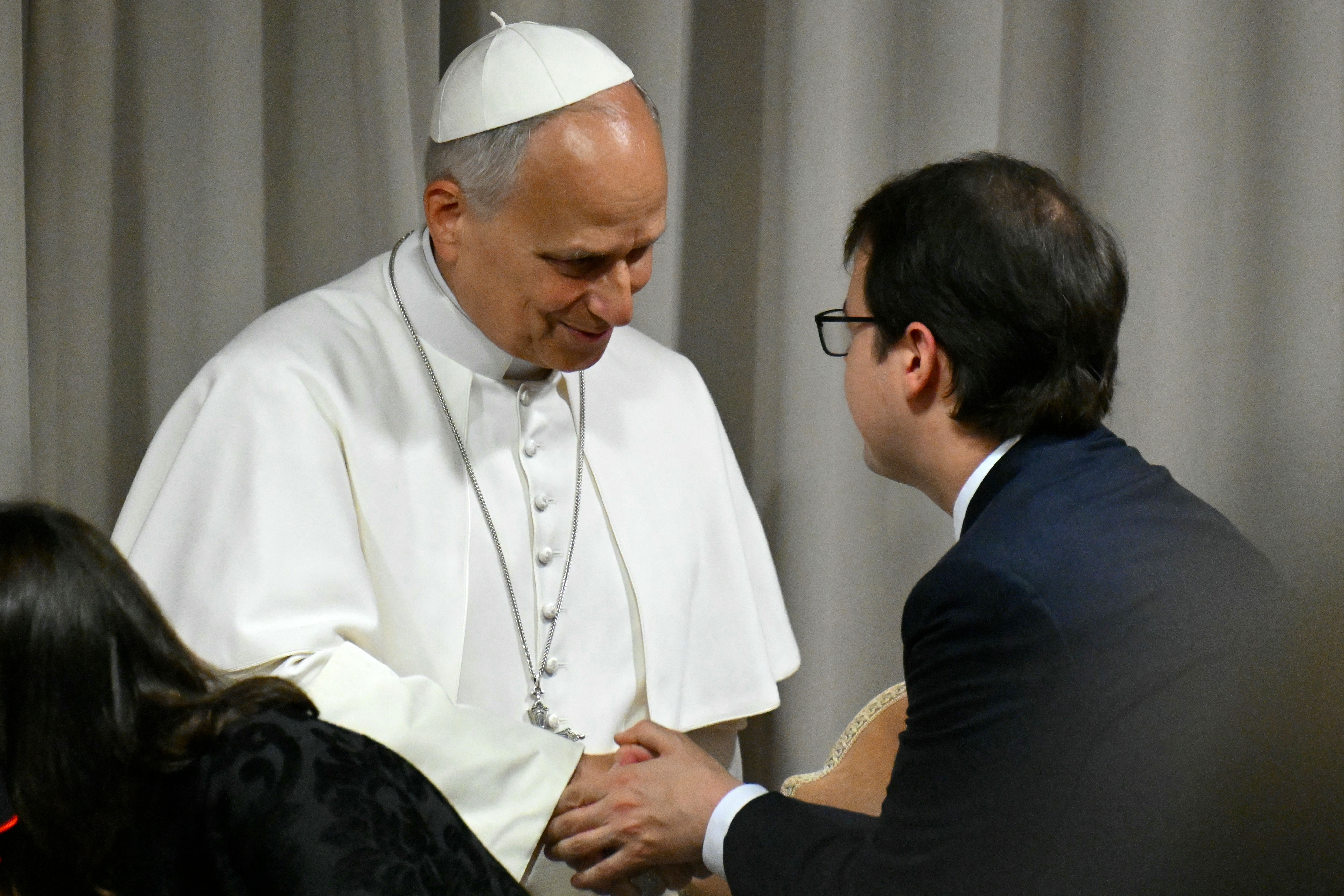
In Magnifica Humanitas, published May 25, Pope Leo XIV warns that AI has become an invisible infrastructure shaping daily life and decries the concentration of technological power in a few global actors.
Pope Leo XIV published his first encyclical, Magnifica Humanitas, on May 25, declaring that artificial intelligence now functions as an invisible infrastructure that shapes everyday life. The document says algorithms determine what people see and read and are embedded in processes governing work, information and collective choices, and it observes, “Never has humanity had so much power over itself.” The encyclical frames these shifts as a moral and institutional problem for the common good.
Magnifica Humanitas places AI squarely within the Catholic Church’s social doctrine and explicitly updates Pope Leo XIII’s Rerum Novarum on its 135th anniversary (May 15, 1891). Rather than offering technical prescriptions, the text interprets digital transformation through the lenses of human dignity and the common good, arguing that technology is not inherently evil but that the scale and depth of contemporary systems demand new moral and institutional responses.
The document describes a global race for the “highest — performing algorithm” and the “largest data center,” where competitive advantage becomes geopolitical. It highlights how a handful of actors concentrate digital infrastructure, data and computing capacity, and it echoes Robert Francis Prevost’s concern about what remains of dignity, truth, work, social justice and peace when decisions migrate into opaque algorithmic logic.
A central concept the encyclical introduces is “disarming technology.” The term is explicitly defined not as stopping innovation but as preventing AI from becoming an instrument of domination. The text calls for breaking the equation between technical capability and the exclusive right to govern, and it warns against letting shared infrastructure be transformed into instruments of economic, political or military control by a small set of actors.
The text argues that regulation alone is insufficient: AI must be removed from monopolistic control, made transparent and opened to challenge so it becomes “habitable” by a plurality of actors. It reframes disinformation as a systemic issue, saying platforms and algorithms actively shape perceived reality by selecting what to show and hide, which points to the need for transparency, plural governance and auditability in practice.
Drawing an analogy to the industrial — era concerns of Rerum Novarum — when factories and labor transformed society — the encyclical casts platforms, algorithms, data and automation as today’s structural forces reshaping power, the economy and social relations. By framing AI as structural to employment, information ecosystems and democratic life, Magnifica Humanitas presses for institutional remedies focused on data access, computing capacity and collective governance rather than solely on individual ethical guidance.
Sources
Replies (0)
No replies in this topic yet.
