Radical AI operates a heavily automated Midtown Manhattan facility where an AI agent designs experiments, scans vast literature and lab records, and drives robots and instruments to synthesize and test candidate materials nearly continuously.
Radical AI operates a near‑autonomous materials‑science lab in Midtown Manhattan where an AI agent designs experiments and the instrumented hardware carries them out, accelerating discovery by running tests around the clock. The setup matters because it compresses iteration cycles for material development, potentially speeding work that traditionally takes years into weeks or months.
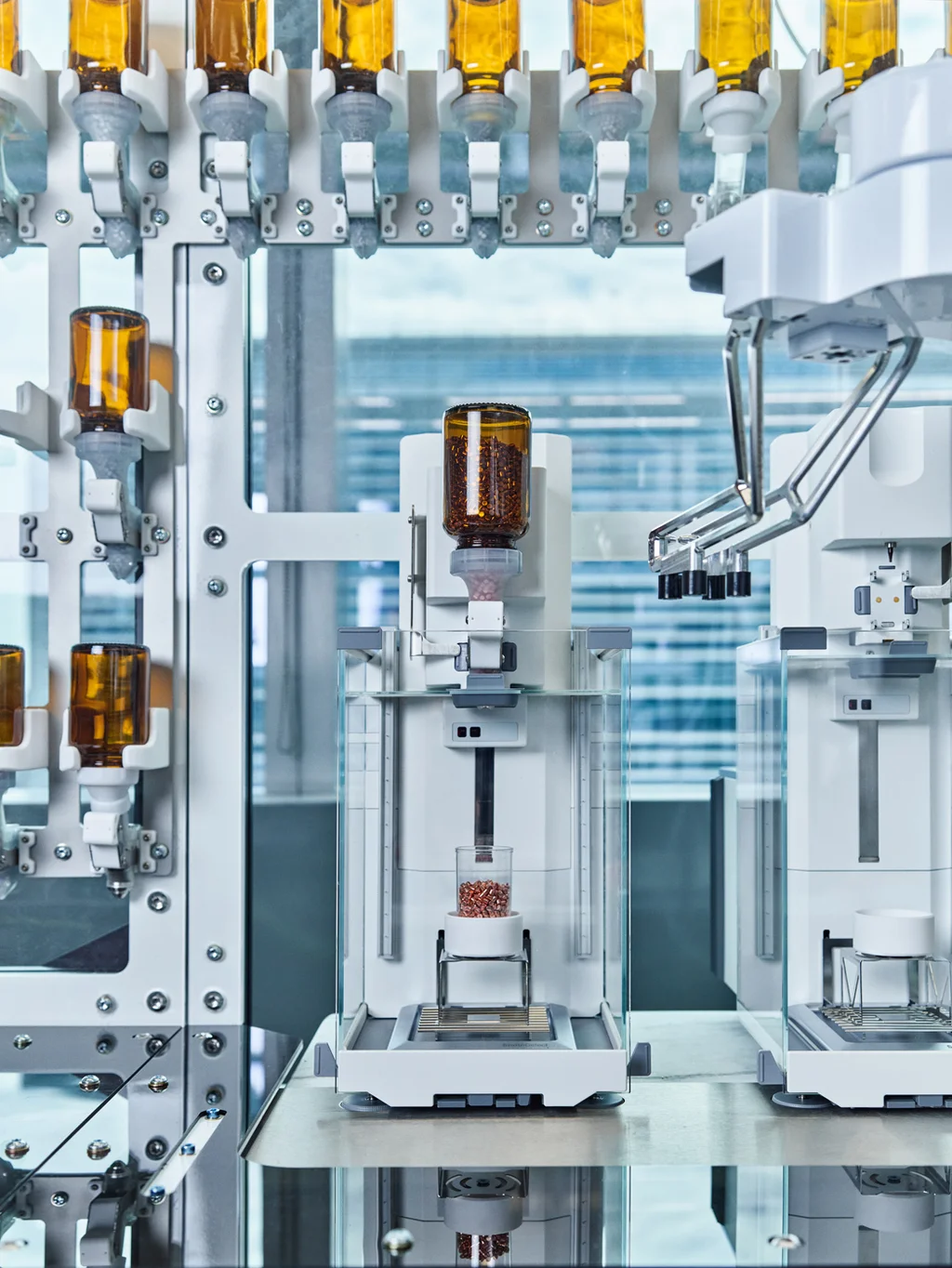
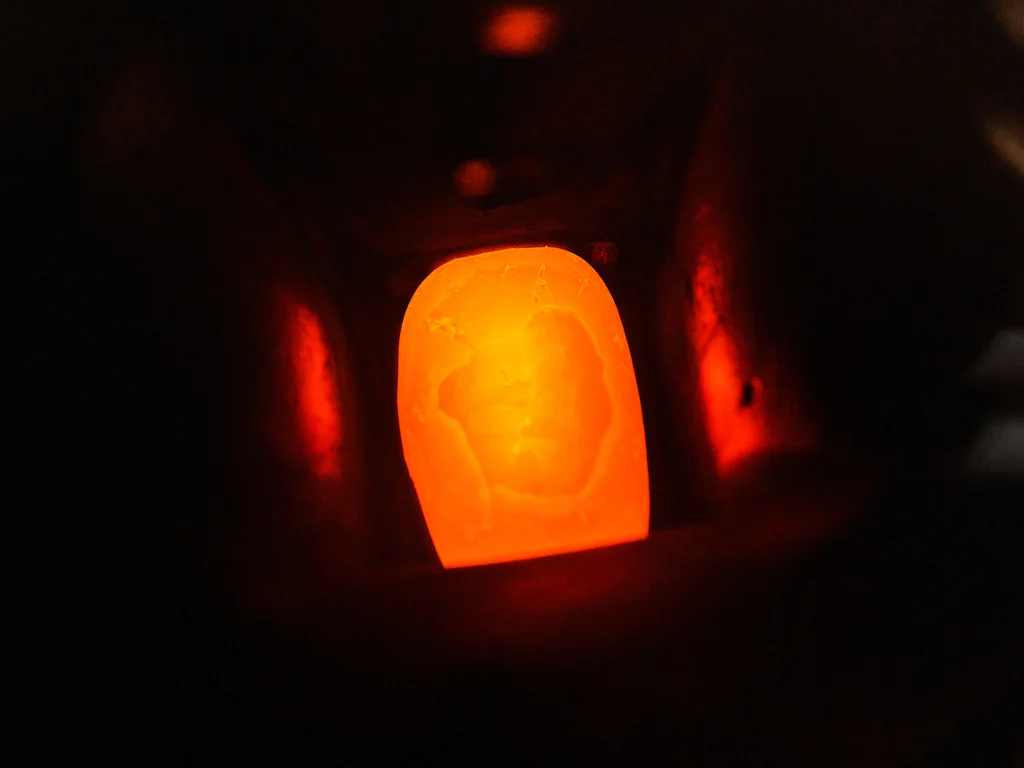
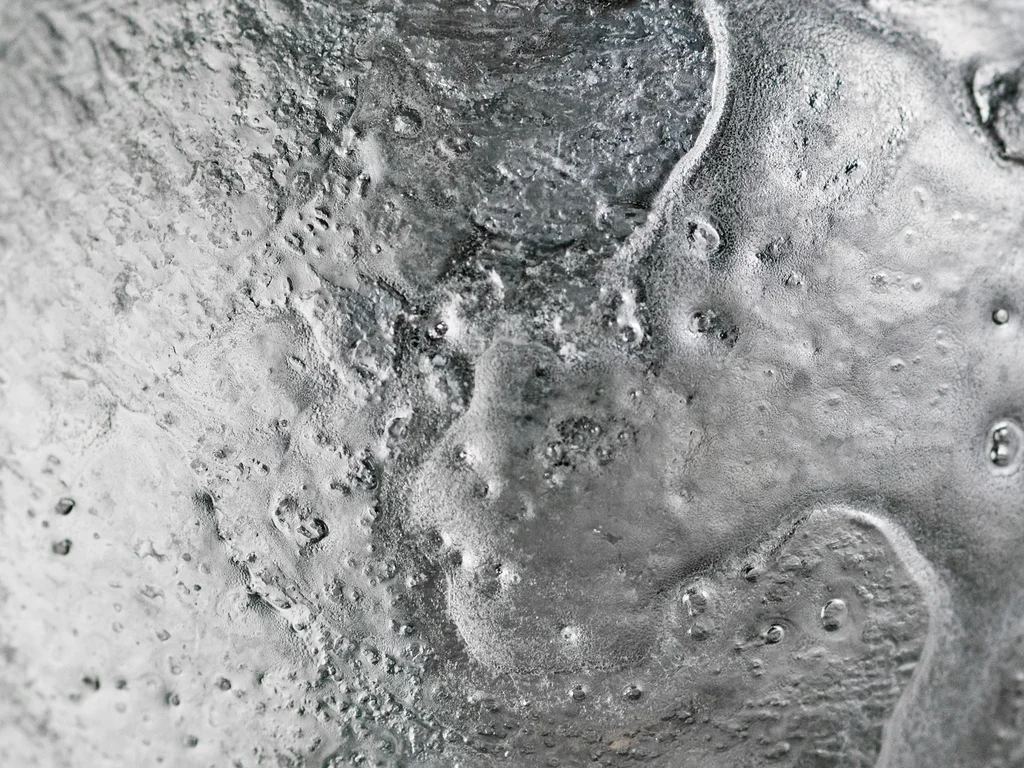
On the floor, a robotic arm precisely mixes and weighs pellets of iron and other elements into small glass vessels according to combinations selected by the AI. Samples travel on an overhead track between stations where machines melt alloys, analyze composition and structure, and test hardness and resistance to oxygen and heat. Founders, including Joseph Krause, describe the configuration as a “self‑driving” lab that can restart experiments any time the system proposes a new idea, with minimal human intervention once workflows are instrumented under AI control.
The AI agent begins with property targets set by a human team, then scans literature and internal lab records to form hypotheses and candidate lists. Radical reports the system can read 10,000 papers in five seconds and references a corpus of roughly 380,000 papers plus 57 million lab data points. From that input the agent can propose anywhere from a dozen to a few hundred candidate materials for synthesis and evaluation.
Throughput already outpaces conventional workflows: the lab can execute as many as 50 experiments a day and is aiming to reach 100 experiments a day by the end of the summer. For comparison, Radical notes a human materials scientist might complete roughly 50 experiments in a year, while traditional material development timelines can span 20 years or more.
The company positions the platform at problems where new materials can change performance or supply dynamics, citing potential uses such as extending jet‑engine life and supporting fusion energy development. Radical raised $55 million in a seed round last year and frames the system as a tool to address material shortages and reduce the environmental footprint of extraction and production.
Radical emphasizes two technical advantages: parallelizing multiple steps of discovery so different stages proceed simultaneously, and learning from laboratory failures captured in the 57 million data points. The automated lab runs continuously — if the AI generates a new experiment at 4 a.m., the machines can begin testing immediately — enabling faster iteration cycles and more rapid validation of ideas. This could shorten development timelines for industries that rely on advanced materials, such as aviation and energy.
Sources
Replies (0)
No replies in this topic yet.
