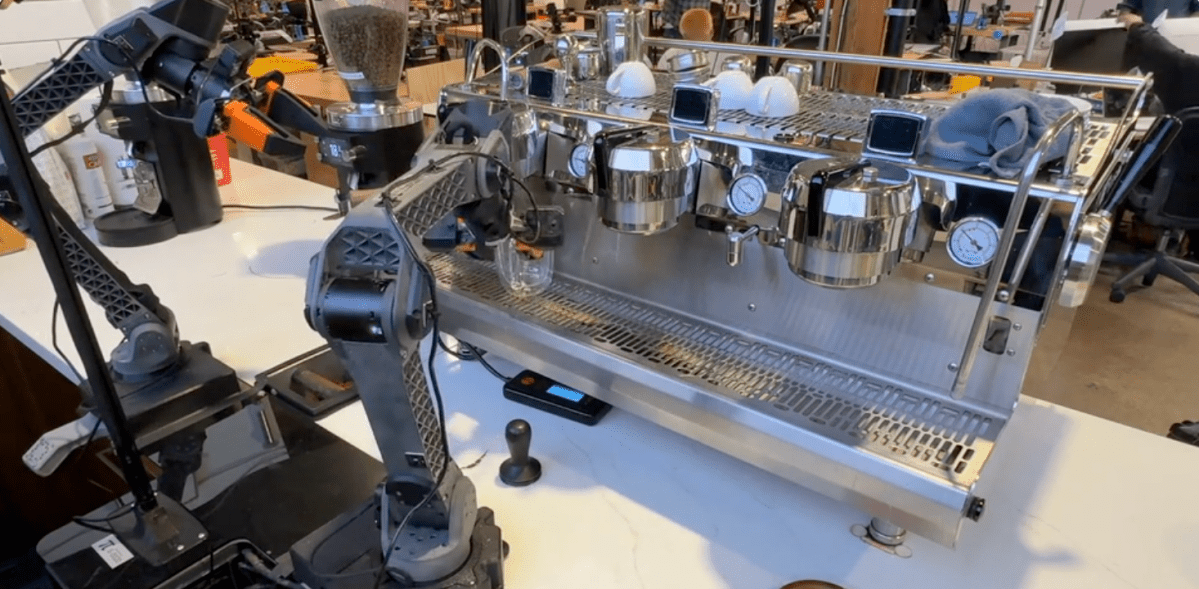
The next-generation model π0.7 allows robots to tackle tasks outside their curriculum, opening new horizons for robotics.
San Francisco, April 16, 2026. The startup Physical Intelligence, which has become one of the most discussed enterprises in the field of AI in Silicon Valley over the past two years, presented new research showing that their latest model can control robots performing unfamiliar tasks. The model π0.7 represents a significant step towards creating a universal 'brain' for robots.
A key element of the model's operation is combinatorial generalization—the ability to combine skills from different contexts to solve new tasks. Unlike traditional learning based on memorizing specific tasks, π0.7 offers a more adaptive approach. As noted by Sergey Levin, co-founder of the company and professor at UC Berkeley, this progress opens new horizons for robotics.
One of the striking demonstrations of the model's capabilities was the use of a deep fryer, which the robot had barely seen during training. The training dataset included only two episodes with the deep fryer; however, the model was able to interpret these minimal fragments to understand how the device works. In the absence of training, the model attempted to use the deep fryer to prepare sweet potatoes and successfully completed the task.
However, researchers emphasize the limitations of the model. Problems sometimes arise not from the model's shortcomings but from ineffective design of training commands. Studies show that clarity of instructions can increase task success rates from 5% to 95%. The model π0.7 also faces challenges when performing multi-step tasks, but collaboration with it shows promising results.
Critics note that robots lack the broad experience available to language models on the internet. While this may limit capabilities, Steven Levin insists on the importance of the difference between impressive demos—actions—and a system capable of generalization, which is less noticeable but very significant.
Sources
Replies (0)
No replies in this topic yet.
