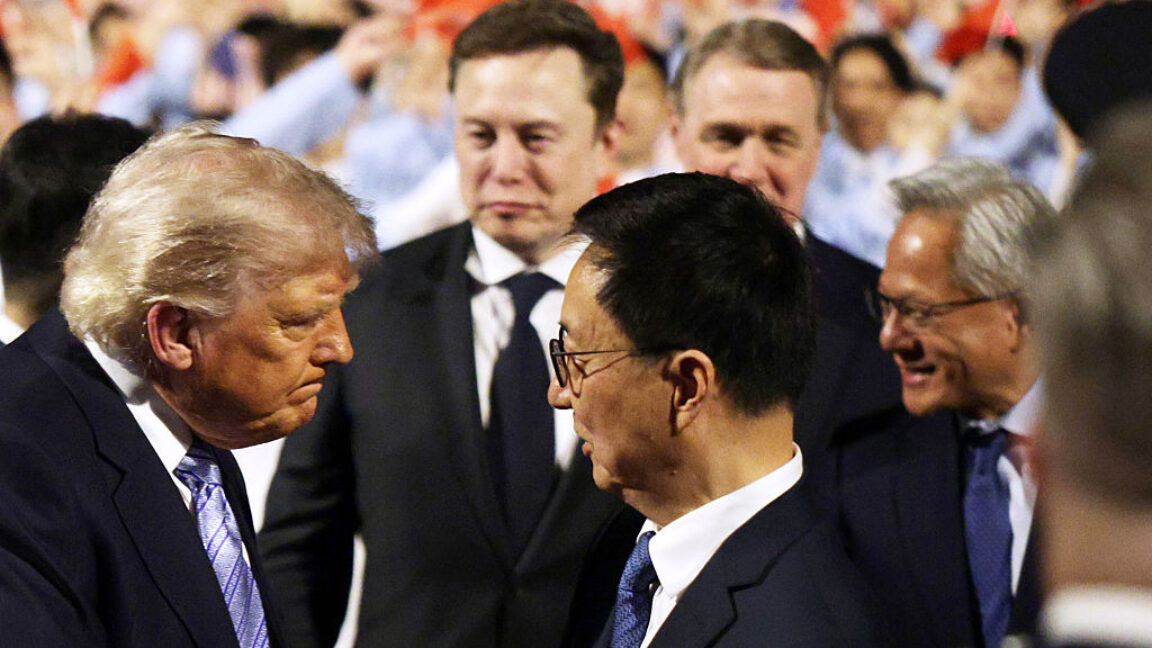
President Trump canceled a planned signing for an executive order to allow voluntary government testing of frontier AI models before public release, citing objections that it could be a regulatory “blocker.
President Donald Trump abruptly canceled a planned White House signing on Thursday for an executive order that would have let the U.S. government test “frontier” AI models before they were publicly released, saying he “didn’t like certain aspects” and that the plan could become an innovation “blocker.” The cancellation came hours before the event and followed reports that several top AI executives would not attend; organizers had given roughly 24 hours’ notice and some executives who rushed to attend were reportedly already in flight when the event was called off.
Tech companies lobbied intensely against the plan, arguing that such testing could delay launches or force engineering changes. Reported internal disputes at the White House included a disagreement over how long companies should be required to make models available for review — the government sought windows up to 90 days before release, while labs pushed for roughly 14 days. At least one of the figures involved publicly denied any role in the cancellation.
For model builders and deployers, the practical consequences hinge on the review’s timeline and scope. A long review window could compel development teams to freeze features or alter release cadences to accommodate external evaluation; a narrowly tailored, national‑security — focused review targeting specific vulnerabilities would be less likely to disrupt product roadmaps. The administration framed the technical aim as surfacing weaknesses that could enable cyberattacks on critical sectors, a focus that will shape what kinds of evidence and mitigations companies would need to provide.
The decision also reflects a broader geopolitical calculation. Trump said he did not want the order to slow U.S. competitiveness with China. Observers point to China’s recent acceleration of domestic AI regulation — including an April rule requiring companies to establish internal AI ethics review committees — as part of the backdrop shaping how regulation and industrial policy might influence global model development.
It remains uncertain whether the White House will revive a revised order or negotiate narrower terms that major labs will accept. Administration officials had been shifting from a relatively hands‑off stance toward recommending pre‑release testing after the Anthropic alert; the outcome of ongoing talks over timelines, scope and which firms would participate will determine whether U.S. policy produces enforceable safety checks or mainly voluntary practices that leave developer roadmaps largely intact.
Sources
Replies (0)
No replies in this topic yet.
