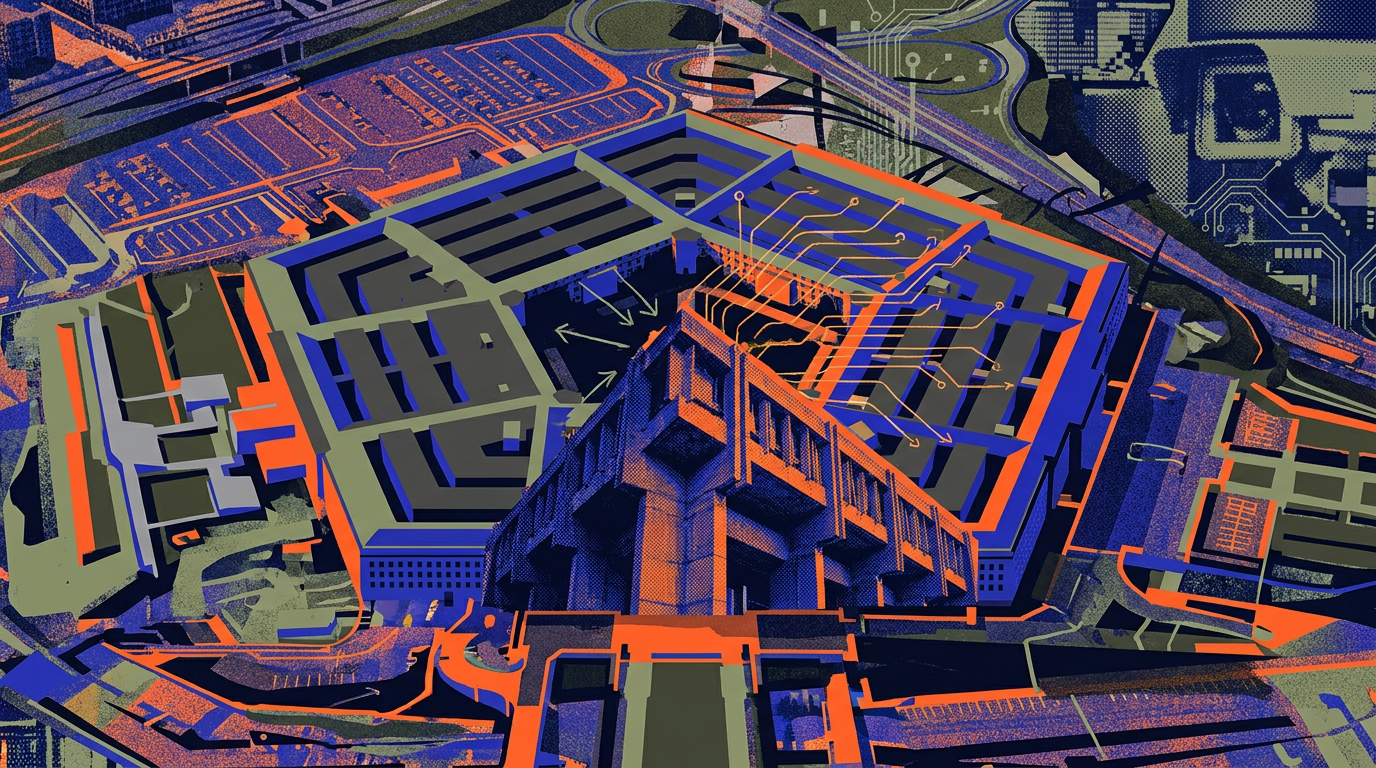
A cross‑agency task force has been formed to evaluate how commercial AI models from vendors such as OpenAI, Google and Anthropic can be run on the most highly classified Pentagon and NSA networks without introducing new national‑security risks.
US Cyber Command and the NSA have formed a joint task force to accelerate and safely deploy commercial artificial‑intelligence models onto the government’s most highly classified networks, according to people familiar with the effort. The group is charged with determining whether and how large third‑party models can operate on “high‑side” systems — the networks that hold the government’s highest classification levels — while preventing new vulnerabilities or misuse. The decision matters because it will shape how quickly intelligence and defense operators can adopt advanced AI for cyber defense and operations.
The task force spans both agencies and was announced in an internal email from General Joshua Rudd, who leads both organizations, sent two weeks before this report. Technical work will lean on the NSA’s AI Security Center, and a Cyber Command officer has been named to lead the operational effort. The group’s remit includes assessing safe deployment procedures, secure configuration standards and the operational constraints necessary to protect classified enclaves.
The move was prompted by a rapid uptick in AI systems that can identify software and configuration vulnerabilities. In April, Anthropic released the Claude Mythos family and restricted access amid concerns about misuse; OpenAI has announced models with comparable capabilities. Anthropic has warned that similar tools could become broadly available within six to 24 months, creating urgency for defense and intelligence networks that must weigh capability gains against exposure to new risks.
Senior military cyber figures contend the capability gap makes the task force essential. Lt. Gen. Charles Moore, a former deputy commander of Cyber Command, has said such tools are becoming necessary for faster threat detection, vulnerability prioritization and quicker decision‑making across both offensive and defensive cyber operations. Private companies and government agencies, however, have voiced concerns that misuse of these models could produce severe economic and national‑security consequences if controls are inadequate.
For builders and integrators the immediate implications are operational and procedural. Models will be assessed under NSA technical standards; access and control models are likely to be tightly constrained; and cross‑agency governance will influence integration timelines. The task force’s determinations will decide whether commercial models are adapted for classified use, whether sandboxes or stricter isolations are required, and what tradeoffs will govern running advanced AI inside the most sensitive government enclaves.
Sources
Replies (0)
No replies in this topic yet.
